Working for the Belgian government: nationality, language roles and certificates
Who can work for Belgium's federal, Flemish, Brussels and Walloon governments, how language roles and the former Selor certificates work, what bilingualism pays, and how selection runs.
Updated · 5 min read
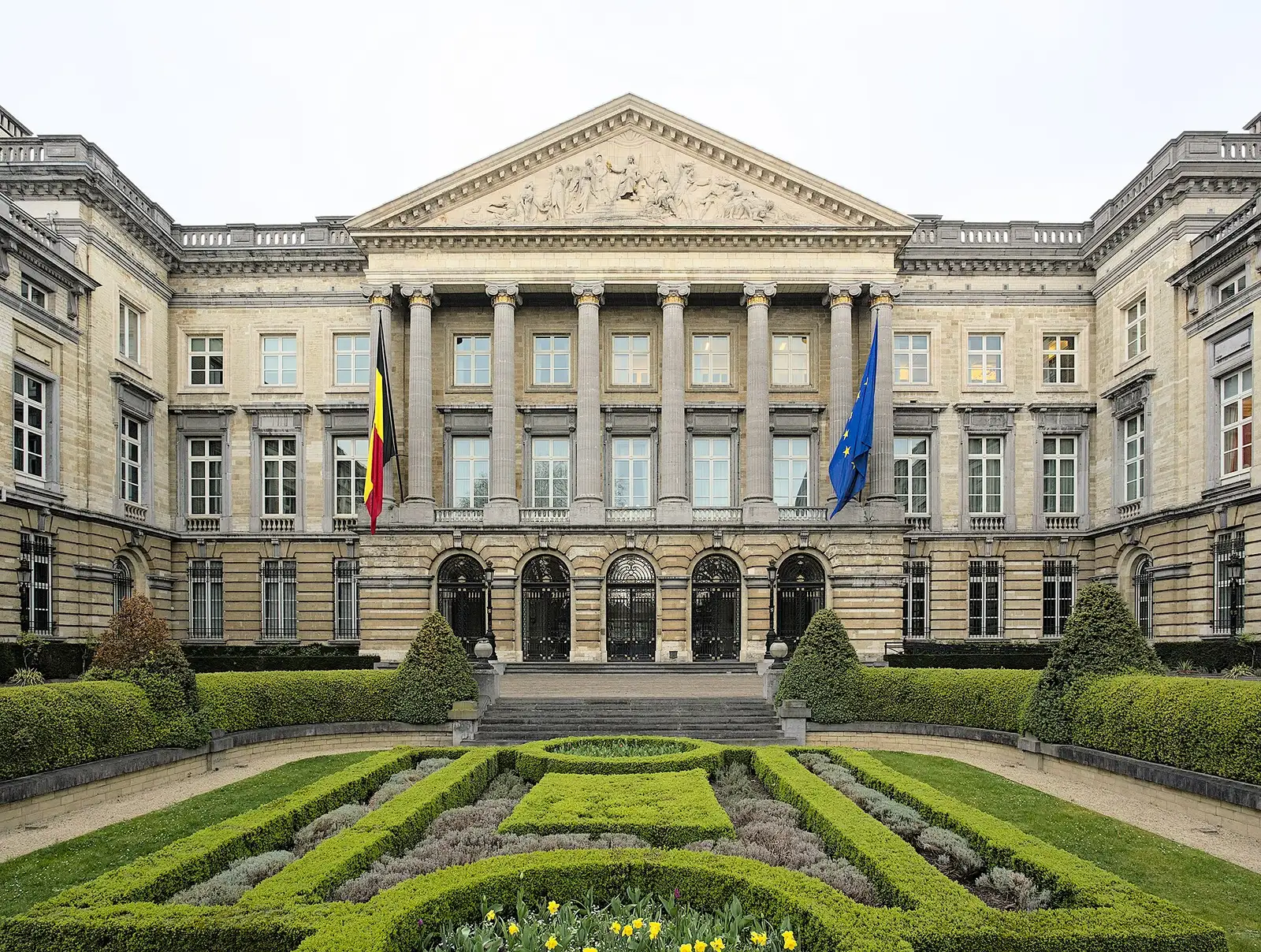
Belgium has several public employers — the federal State, the Flemish government, the Brussels-Capital Region, Wallonia and the communities, provinces and communes — and a language law that shapes all of them. This guide explains who can apply, how the language roles and language certificates work, and what each level of government expects.
At a glance: Selor is now Travaillerpour.be / Werkenvoor.be (FPS BOSA, since 1 March 2023). Statutory federal posts are open to Belgian, EEA and Swiss citizens; contractual posts generally to any nationality — except public-authority roles. You don't have to be bilingual to join the federal service, but you need the language of the post.
Who recruits — and what happened to Selor
The federal selection bureau Selor no longer exists under that name: since 1 March 2023 federal recruitment is done by the FPS BOSA under the brand [Travaillerpour.be / Werkenvoor.be](https://travaillerpour.be) (BOSA), which also issues the legally required language certificates. The regions recruit separately: the Flemish government on Werken voor Vlaanderen, the Brussels-Capital Region on [talent.brussels](https://www.talent.brussels), and Wallonia through Talents Wallonie (wallonie.be).
Can foreigners work for the Belgian government?
- Federal statutory posts are open to Belgians, EEA and Swiss nationals (and UK and Turkish nationals under certain conditions); Belgian nationality is required for posts involving public authority, such as diplomatic and customs posts (Travaillerpour.be).
- Contractual posts have generally no nationality condition, except public-authority roles such as tax controllers and customs officers (FPS Finance recruitment).
- Brussels-Capital Region: Belgian nationality for public-authority posts; EU/EEA citizens for other posts; non-EU citizens only for posts without any public authority (talent.brussels).
- Flemish government: its staff statute lists a nationality requirement among the admission conditions without defining it for every job — check each vacancy.
Languages: language roles, certificates and bilingualism
Belgium's laws on the use of languages in administrative matters decide which language you must know:
- In the regions, a local service works in the language of the region: Dutch in Flanders, French in Wallonia, German in the German-speaking area.
- In federal central services, each official belongs to the French or Dutch language role — and you sit the admission exam in the language of your required diploma.
- Diploma in another language? You need an article 7 certificate from Werkenvoor.be in the language of the post, at the level of your diploma (A, B, C or D) (Werkenvoor.be).
- Brussels local services test elementary knowledge of the second language, which the article 8 certificate proves (Werkenvoor.be).
- A bilingual cadre holds 20% of the posts at rank 13 and above in federal central services, for which knowledge of the second language must be proved.
BOSA tests Dutch, French, German and English on the CEFR scale, with listening, reading, speaking and writing modules (BOSA). And Travaillerpour.be is explicit: being bilingual is “not an absolute requirement” to join the federal administration — but it is a clear advantage (Travaillerpour.be).
What bilingualism pays
| Employer | Bonus for a second-language certificate |
|---|---|
| Federal staff (BOSA) | a monthly language allowance from €20 (article 8) up to €110 (base amounts, indexed) |
| Brussels Region staff (talent.brussels) | €600, €2,400 or €3,200 a year, depending on the certified level — CEFR certificates (A1, B1, C1/B2) from approved schools also count |
Flemish government and local authorities
The Flemish government requires either a Dutch-language diploma at the vacancy's level or a pass in a Werkenvoor.be language test (article 7) (Flemish selection rules).
Flemish local and provincial authorities set CEFR levels by job level. The Province of Flemish Brabant, for example, asks C1 for A-level posts, C1 reading/listening and B2 writing/speaking for B-level, B2 for administrative C-level, B1 for technical C-level and A2 for D-level (vlaamsbrabant.be). The Agency for Integration and Civic Integration runs a €180 Dutch test for public administrations, certifying B1 or A2 (integratie-inburgering.be).
How selection works
- Check the level of the post: federal levels follow your diploma — 1/A master, 2+/B bachelor, 2/C upper secondary, 3–4/D without diploma (Travaillerpour.be).
- Apply on the right platform — Travaillerpour.be for federal and many other bodies, talent.brussels for the Brussels Region, Werken voor Vlaanderen for the Flemish government.
- Computer-based tests (for example abstract reasoning or an in-basket exercise), then an interview on skills and motivation. Laureates are ranked and the list is usually valid one year.
- Probation: statutory federal staff serve a one-year stage (BOSA).
Dutch and French, 16 at a time
Whether you need Dutch for Flanders, French for Wallonia or both for Brussels, 16Word teaches them in five-minute sessions: words, sentences, dialogues and 100 everyday situations, with a game of Blocks between answers. Every track has a free first page.
Frequently asked questions
What is the Selor language exam?
Selor was the federal selection bureau. Since 1 March 2023 its work is done by the FPS BOSA as Travaillerpour.be / Werkenvoor.be, which still issues the language certificates required by law — article 7 to work in a language other than that of your diploma, and articles 8, 9 and 12 to prove knowledge of a second language.
Do I need to be bilingual to work for the Belgian federal government?
No. Most staff start in the language the post requires; Travaillerpour.be calls bilingualism “not an absolute requirement”. It is needed for some posts, such as management posts in the bilingual cadre, and it earns a monthly language allowance.
Can foreigners work for the Belgian government?
Partly. Federal statutory posts are open to Belgian, EEA and Swiss nationals, while public-authority posts such as diplomatic or customs posts require Belgian nationality. Contractual posts are generally open to any nationality, except public-authority roles.
What is a language role?
In federal central services each official belongs to the French or the Dutch language role. You sit the admission exam in the language in which your required diploma was obtained.
My diploma is in English. Can I still apply?
Yes, but you will need an article 7 certificate from Werkenvoor.be in the language of the post, at the level of your diploma (A, B, C or D). The Flemish government asks for it at hiring.
What Dutch level does the Flemish government require?
A Dutch-language diploma at the vacancy's level, or a pass in a Werkenvoor.be language test (article 7). Flemish local and provincial authorities use CEFR levels — for example C1 for A-level posts down to A2 for D-level posts in the Province of Flemish Brabant.
How much is the bilingualism bonus in Brussels?
Brussels regional civil servants receive €600, €2,400 or €3,200 a year depending on the certified level; CEFR certificates from approved schools also count. Federal staff receive a separate monthly allowance of €20 to €110 (base amounts, indexed).
How do I apply for a Belgian government job?
Federal and many other jobs are on Travaillerpour.be / Werkenvoor.be, Brussels regional jobs on talent.brussels and Flemish government jobs on Werken voor Vlaanderen. A typical selection is a diploma check, computer-based tests and an interview; federal statutory staff then serve a one-year stage.
Official sources
- FPS BOSA — from Selor to Travaillerpour.be
- Travaillerpour.be — FAQ on selection procedures
- FPS Finance recruitment — is Belgian nationality required?
- talent.brussels — candidate FAQ
- Werkenvoor.be — article 7 certificate
- Werkenvoor.be — article 8 certificate
- Travaillerpour.be — being bilingual
- FPS BOSA — language allowance
- talent.brussels — bilingualism premium
- Flemish government — selection rules 2026
- Province of Flemish Brabant — language and diploma requirements
- Agency for Integration and Civic Integration — Dutch test for public administrations
- FPS BOSA — probation (stage)
- Wallonia — applying for a statutory post
- FPS BOSA — language screening
Keep going
- Learn Dutch 16 words a day
- Learn French 16 words a day
- Sproochentest : déroulement, niveau requis et questions fréquentes
- The Dutch inburgering exam and Belgian nationality: levels, parts, fees and FAQ
- Luxembourgish proverbs: 16 sayings, what they mean, with native audio
- Working for the Luxembourg government: nationality, the three languages and the 2026 rules
- Working for the Dutch government: nationality, the Dutch level you need and screening
- Endangered languages: why they disappear, how they come back, and what 16Word is building
- Is Latin a dead language? Where Latin lives today — and how to learn it
- Luxembourgish: how a small language keeps growing