Dutch greetings and everyday phrases (with audio)
The Dutch greetings and courtesies you use every day — hallo and hoi, goedemorgen, tot ziens and doei, dank je wel and dank u wel, alsjeblieft, sorry and pardon — with recordings, and when to use the formal or the informal form.
Updated · 2 min read
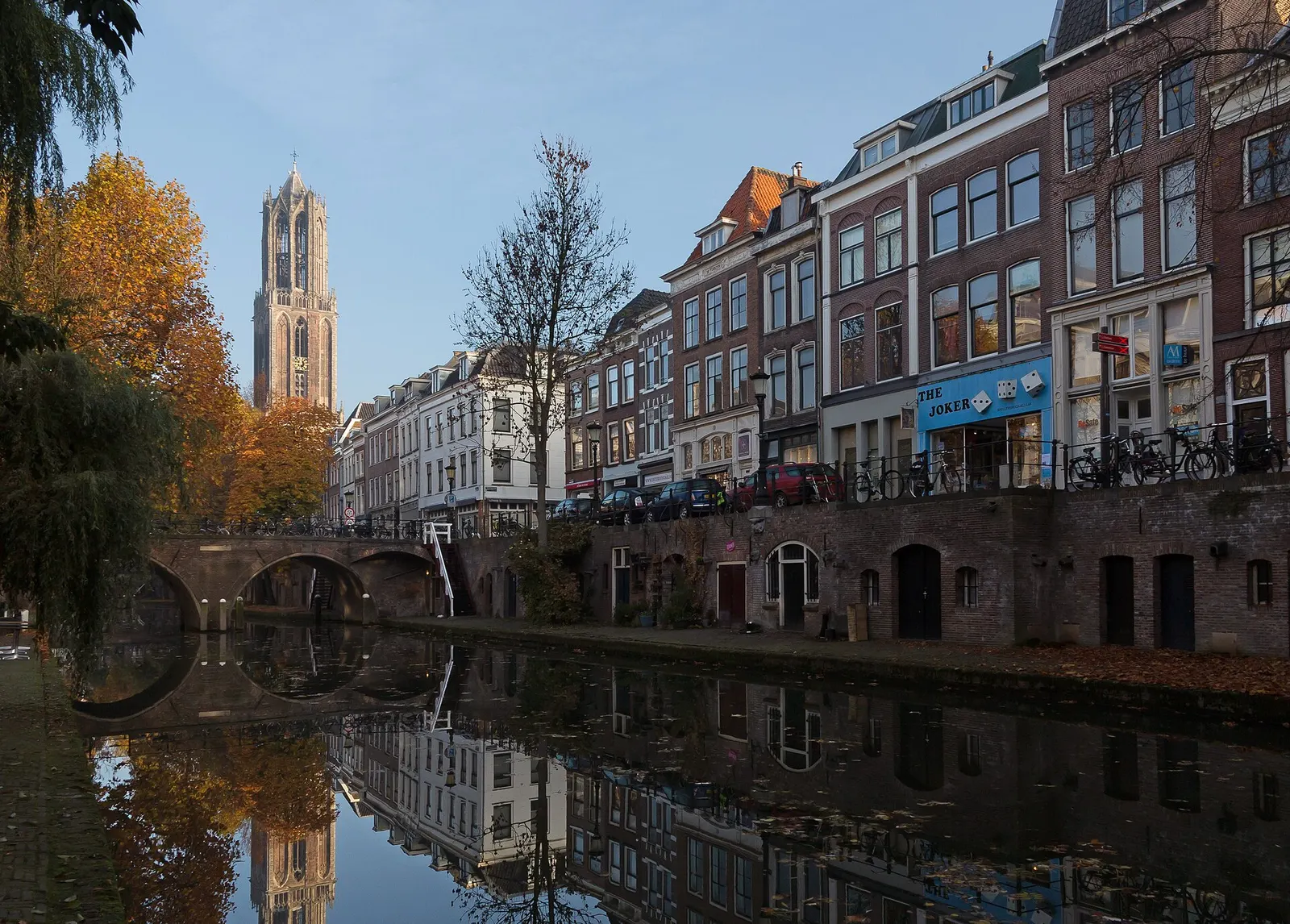
Greetings are the first Dutch you need and the first an examiner hears. The rule running through all of them: je for friends, family, children and colleagues you know; u for strangers, customers, officials and older people — see je or u.
Hello and goodbye
Hoi
Literally: hi
Meaning: informal
Doei
Literally: bye
Meaning: informal
Please, thank you, sorry
| Informal (je) | Formal (u) | |
|---|---|---|
| please | alsjeblieft | alstublieft |
| thank you | dank je wel | dank u wel |
| thanks (both) | bedankt | bedankt |
| you’re welcome | graag gedaan | graag gedaan |
| excuse me | pardon, sorry | pardon |
Each has its own page with recordings: please, thank you, you’re welcome, excuse me.
Meeting someone
Hoe gaat het? — Goed, dank je. En met jou?
Literally: How are you? — Fine, thanks. And you?
Meaning: how are you — gaan
Wishes
- Succes! — good luck (good luck)
- Gefeliciteerd! — congratulations, happy birthday (happy birthday)
- Proost! — cheers (cheers)
- Welterusten — good night (good night)
- Fijne dag! — have a nice day; fijn weekend! — have a nice weekend
- Beterschap! — get well soon
Practise
- Learn the recordings on each phrase page, then say them without looking.
- Use je and u versions of the same exchange.
- Write a short message that starts and ends politely — see the writing exam.
- Verbs to know: groeten, zeggen, vragen, helpen.
Greetings, then conversations
16Word’s Dialogues track starts with greetings and builds to real conversations, with a game of Blocks between answers. Page 1 is free.
Keep learning
- The Dutch phrasebook
- Dutch small talk
- Je, jij or u
- The speaking exam
- Verb tables: zijn, hebben, komen, kunnen, moeten, willen, mogen, zullen, worden, wonen, werken
More guides like this
- Dutch at the doctor and the pharmacy · Dutch at the gemeente · Dutch on the phone
- Dutch for shopping and eating out · Days, months and telling the time · Dutch small talk
- Dutch for parents at school
Frequently asked questions
How do you greet someone in Dutch?
Hallo for everyone, hoi among friends, and goedemorgen, goedemiddag or goedenavond for a time-of-day greeting.
How do you say goodbye in Dutch?
Tot ziens; among friends doei; dag works for both hello and goodbye.
When do I use u instead of je?
With strangers, customers, officials, doctors and older people. Je is for friends, family, children and colleagues you know.
How do you say get well soon in Dutch?
Beterschap!
Was this guide useful?
Official sources
- Taalunie — Taaladvies
- Recording of “hallo”: GerardM, CC BY-SA 3.0, via Wikimedia Commons (MP3 version)
- Recording of “hoi”: GerardM, CC BY 2.5, via Wikimedia Commons (MP3 version)
- Recording of “goedemorgen”: GerardM, CC BY-SA 3.0, via Wikimedia Commons (MP3 version)
- Recording of “tot ziens”: Jcwf, CC BY-SA 3.0, via Wikimedia Commons (MP3 version)
- Recording of “doei”: Marcel coenders, CC BY-SA 3.0, via Wikimedia Commons (MP3 version)
Keep going
- Learn Dutch 16 words a day
- /resources/dutch
- Dutch at the doctor and the pharmacy: phrases you need
- Dutch at the gemeente: registration, BSN, DigiD and the counter
- Dutch on the phone: making calls, appointments and messages
- Dutch for shopping and eating out: phrases you need
- Days, months and telling the time in Dutch (half drie is 2:30)
- Dutch small talk: the weather, the weekend and work
- Dutch for parents: school words and messages to the teacher
- 32 Luxembourgish greetings and everyday phrases, with audio
- All guides