Dutch holidays and traditions: Koningsdag, 4 and 5 May, Sinterklaas
The Dutch year: Koningsdag on 27 April, Remembrance and Liberation on 4 and 5 May, Sinterklaas on 5 December, Christmas with two days, New Year with oliebollen — and the words that come with each.
Updated · 2 min read
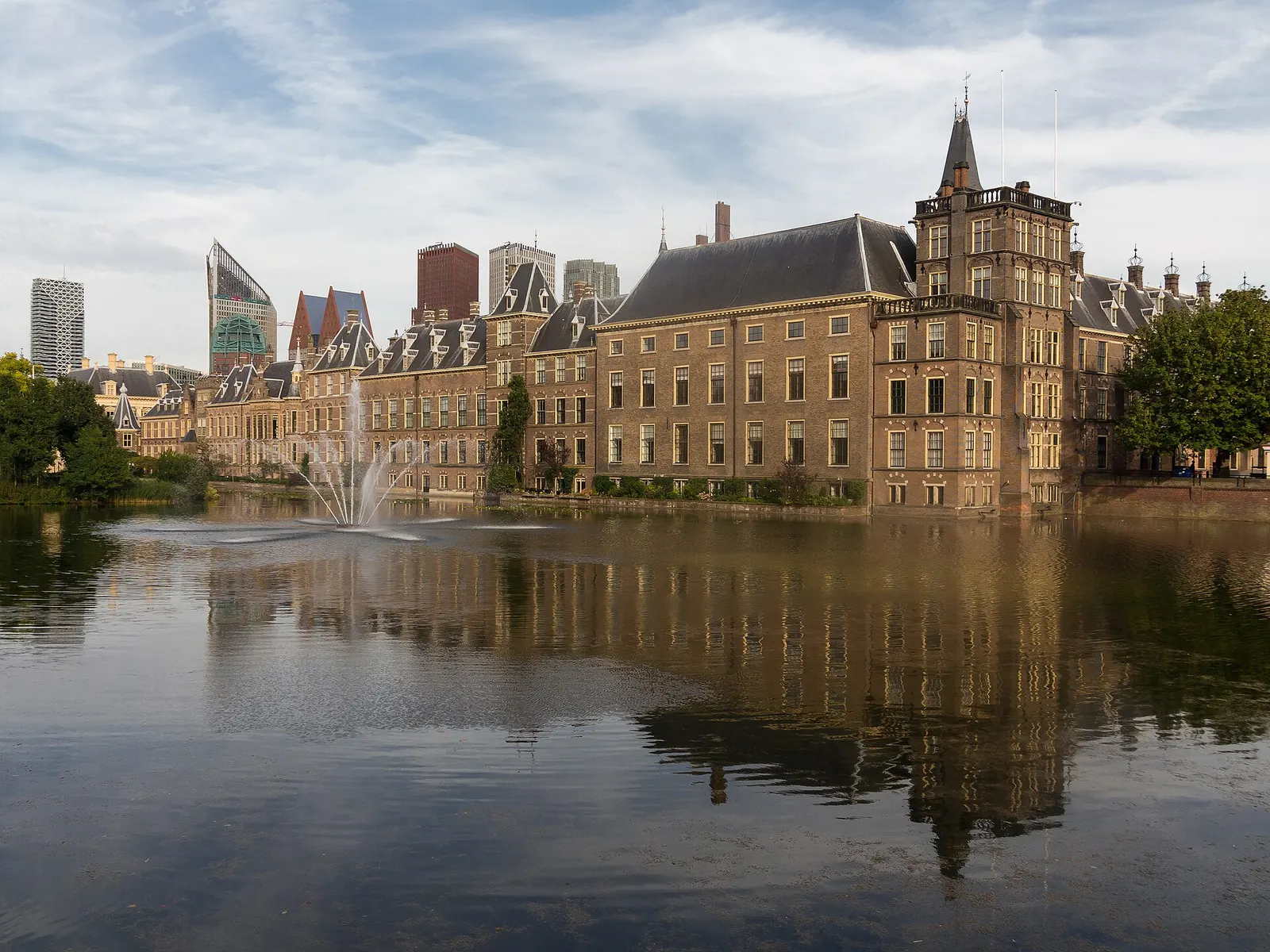
A handful of days shape the Dutch year, and each brings its own vocabulary. The official public holidays are listed by the government (Rijksoverheid); whether you get a day off depends on your contract.
| Day | Date | What happens |
|---|---|---|
| Koningsdag | 27 April (26 April if the 27th is a Sunday) | the King’s birthday: orange, street markets (vrijmarkt), music |
| Dodenherdenking | 4 May | Remembrance of the dead: two minutes of silence at 8 pm |
| Bevrijdingsdag | 5 May | Liberation Day: festivals across the country |
| Pinksteren, Pasen, Hemelvaart | spring | Pentecost, Easter, Ascension |
| Sinterklaas | evening of 5 December | pakjesavond: presents and poems |
| Kerstmis | 25 and 26 December | eerste en tweede kerstdag — two Christmas days |
| Oud en Nieuw | 31 Dec – 1 Jan | oliebollen and fireworks |
Words of the year
- de feestdag — public holiday; vrij hebben — to have the day off
- het cadeautje — present; het gedicht — poem (for Sinterklaas)
- de kerstboom — Christmas tree; de kerstvakantie — Christmas holiday
- Fijne feestdagen! — Happy holidays!
- Gelukkig nieuwjaar! — Happy New Year!
Fijne feestdagen en een gelukkig nieuwjaar!
Literally: Happy holidays and a happy New Year!
Meaning: the season’s greeting on cards and in emails
Belgium
In Belgium Sinterklaas brings presents on the morning of 6 December, and the national day is 21 July. More on Belgium in the languages of Belgium.
Holidays and traditions turn up in the KNM exam and in small talk — Dutch small talk. Verbs: geven, krijgen, wensen, zingen.
Celebrate in Dutch
16Word’s Proverbs and Travel tracks bring the words of everyday life and celebrations — with audio and a game of Blocks between answers. Free to start.
Keep learning
- Dutch birthday customs
- Dutch food words
- The KNM exam
- Gefeliciteerd!
- Verb tables: zijn, hebben, gaan, komen, kunnen, moeten, willen, mogen, zullen, worden, wonen, werken, leren, lezen, schrijven, spreken, luisteren, begrijpen, zeggen, vragen, maken, doen, nemen, zien, kijken
More guides like this
- What gezellig means · Dutch birthday customs · Dutch surnames: van, de, van der
- Dutch food words · Dutch idioms · Dutch directness
Frequently asked questions
When is Koningsdag?
On 27 April, the King's birthday — or on 26 April when the 27th falls on a Sunday.
What happens on 4 and 5 May in the Netherlands?
On 4 May the Netherlands remembers its war dead with two minutes of silence at 8 pm; on 5 May it celebrates Liberation Day.
When does Sinterklaas bring presents?
In the Netherlands on the evening of 5 December (pakjesavond); in Belgium on the morning of 6 December.
How do you say happy holidays in Dutch?
Fijne feestdagen! — and happy New Year is Gelukkig nieuwjaar!
Was this guide useful?
Official sources
Keep going
- Learn Dutch 16 words a day
- /resources/dutch
- Dutch birthday customs: congratulate the family, bring the cake
- Dutch surnames: van, de, van der — capital or not?
- Dutch food words: stroopwafel, hagelslag, bitterballen and more
- Dutch directness: what it sounds like, and how to soften it
- Dutch vs Flemish: one language, two accents
- Flemish expressions: amai, allez, goesting and more
- Learning Dutch in Brussels: where to start and how to practise
- The languages of Belgium: Dutch, French and German explained
- All guides