Flemish expressions: amai, allez, goesting and more
Amai, allez, goesting, plezant, seffens, ambetant: everyday Flemish words and expressions you will hear in Belgium, what they mean, and what standard Dutch says instead.
Updated · 2 min read
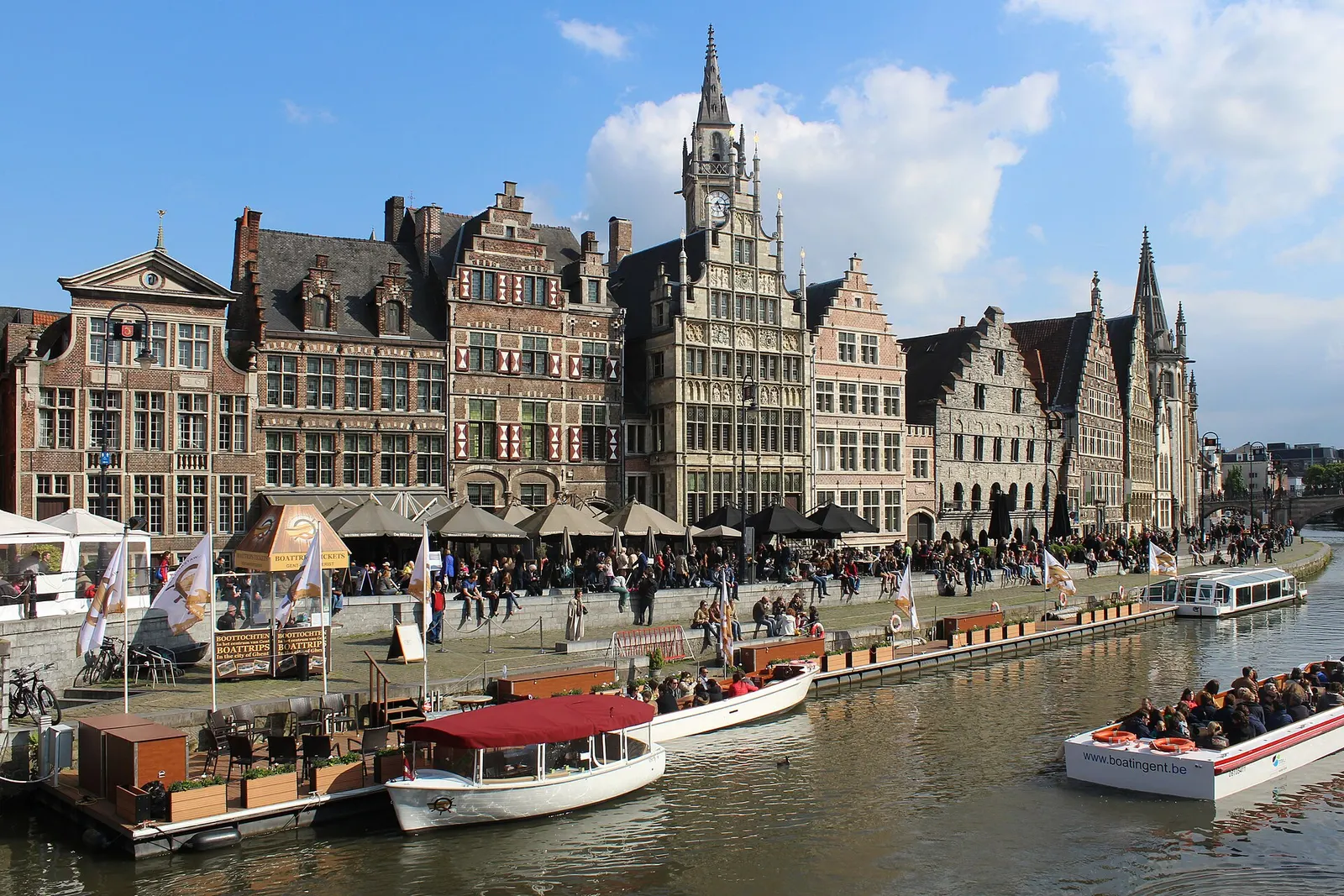
Flemish speech is full of words you will not find in a Dutch textbook. You do not need to use them — standard Dutch is always right — but you will hear them every day in Flanders.
| Flemish | Meaning | Standard Dutch |
|---|---|---|
| amai! | wow! oh dear! | jeetje!, tjonge! |
| allez | come on; well; right | kom op, nou |
| goesting | desire, appetite | zin |
| plezant | nice, pleasant | leuk, prettig |
| ambetant | annoying | vervelend |
| seffens | in a moment | straks, zo meteen |
| den bureau | the office / the desk (dialect article) | het kantoor, het bureau |
| dikke merci | thanks a lot | heel erg bedankt |
| een babbeltje doen | to have a chat | een praatje maken |
| ne keer | once, for a moment | een keer, even |
Amai, dat was plezant!
Literally: Wow, that was fun!
Meaning: very Flemish — in the Netherlands: Jeetje, dat was leuk!
Hebt ge goesting in frieten?
Literally: Do you fancy some chips?
Meaning: ge = you, goesting = desire, frieten = chips
In writing and at work, use the standard forms. The rules behind the standard: Dutch grammar. The bigger picture: Dutch vs Flemish. Verbs: hebben, zeggen, praten.
Standard Dutch first
16Word teaches standard Dutch — the base under every accent — 16 words at a time, with audio. Free to start.
Keep learning
- Dutch vs Flemish
- Learning Dutch in Brussels
- Dutch idioms
- Inburgering in Flanders
- Verb tables: zijn, gaan, komen, kunnen, moeten, willen, mogen, zullen, worden, wonen, werken, leren, lezen, schrijven, spreken, luisteren, begrijpen, vragen, maken, doen, geven, nemen, zien, kijken, denken, vinden, weten, kennen, betalen, helpen
More guides like this
Frequently asked questions
What does amai mean?
A Flemish exclamation: wow!, oh dear! — standard Dutch might say jeetje or tjonge.
What does goesting mean?
Desire or appetite — goesting hebben in = to fancy. Standard Dutch: zin hebben in.
What does allez mean in Flemish?
Come on, well, right — a filler word with many uses.
Do I need to learn Flemish words?
Not to use, but recognising them helps in Flanders. Standard Dutch is always correct.
Was this guide useful?
Official sources
Keep going
- Learn Dutch 16 words a day
- /resources/dutch
- Learning Dutch in Brussels: where to start and how to practise
- The languages of Belgium: Dutch, French and German explained
- Luxembourgish vs Dutch: how close are they?
- What does gezellig mean? The Dutch word with no translation
- Dutch holidays and traditions: Koningsdag, 4 and 5 May, Sinterklaas
- Dutch birthday customs: congratulate the family, bring the cake
- Dutch surnames: van, de, van der — capital or not?
- Dutch food words: stroopwafel, hagelslag, bitterballen and more
- All guides