Dutch adjective endings: groot or grote?
Groot or grote? An adjective before a noun gets -e — except before a het-word with een, geen or no article. After the noun it never changes. The rule, the exceptions and a table to learn by heart.
Updated · 3 min read
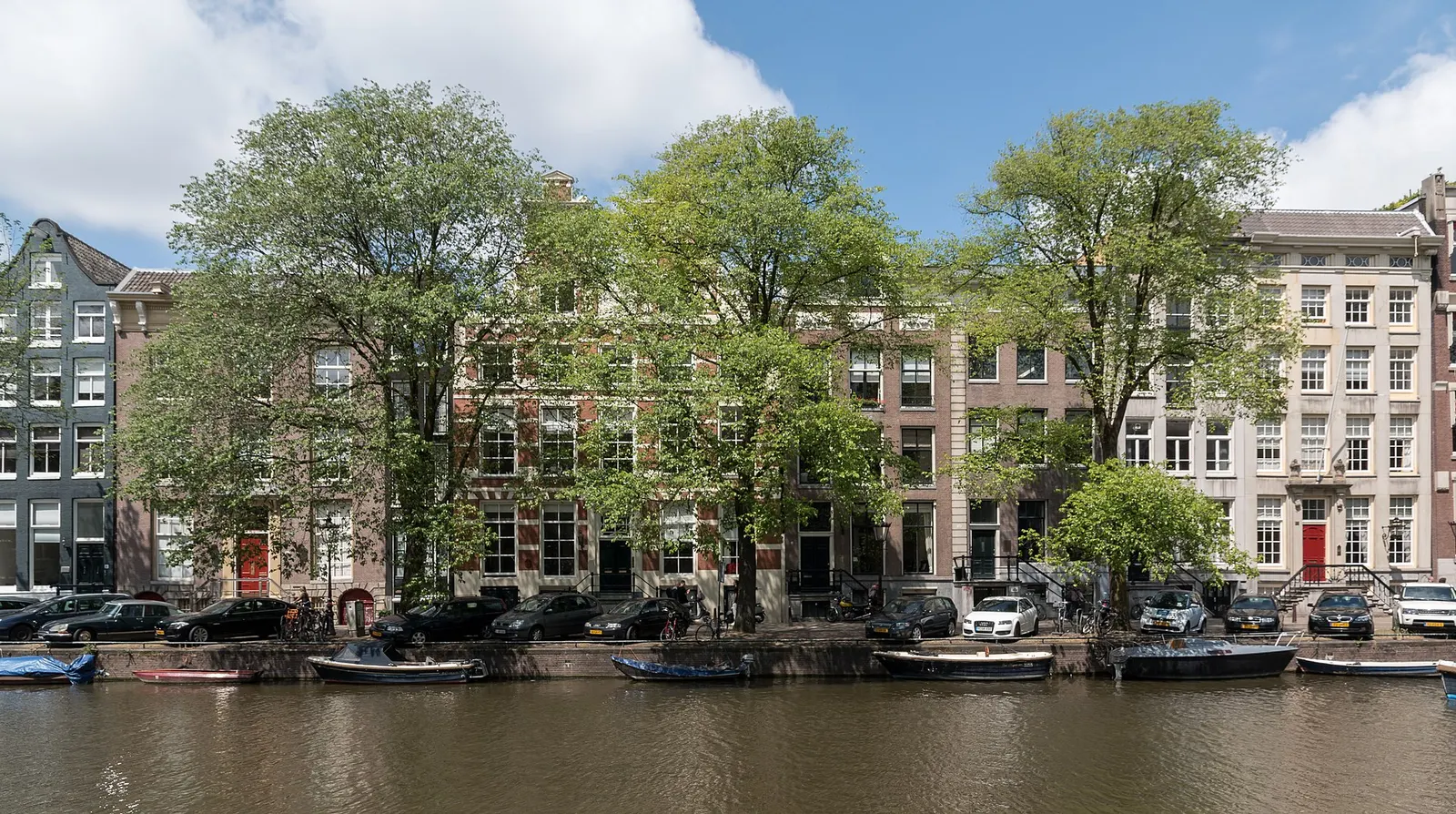
A Dutch adjective has two forms: groot and grote, klein and kleine. Which one you use depends on the noun’s article — de or het — and on the word in front of it.
The rule: before a noun the adjective gets -e — except with a het-word in the singular after een, geen, veel, welk or no article: een groot huis, geen groot huis, groot nieuws. After the noun (with zijn, worden, vinden…) it never changes: het huis is groot.
| de-word (de stad) | het-word (het huis) | plural | |
|---|---|---|---|
| with de / het | de grote stad | het grote huis | de grote huizen |
| with een | een grote stad | een groot huis | grote huizen |
| with dit / dat / deze / die | deze grote stad | dit grote huis | deze grote huizen |
| with mijn, jouw, haar … | mijn grote stad | mijn grote huis | mijn grote huizen |
| no article | grote stad (rare) | groot nieuws | grote huizen |
So the only places without -e are the bold ones: a singular het-word after een, geen or nothing. With mijn or het it gets -e again: mijn grote huis.
Zij zoekt een goede baan in een groot bedrijf.
Literally: She is looking for a good job in a big company.
Meaning: de baan → een goede baan; het bedrijf → een groot bedrijf. zoeken.
Spelling when -e is added
The spelling rules apply: groot → grote, klein → kleine, wit → witte, lief → lieve, grijs → grijze. Some adjectives never change: material words in -en (een houten tafel), and -a or -e endings like roze, oranje, prima.
After the noun: no ending
With zijn, worden, blijven and vinden the adjective stands alone: het eten is lekker, het wordt koud, ik vind het moeilijk. In the speaking exam, ik vind het… + adjective is the easiest way to give an opinion.
Practise
- Learn every noun with its article — it decides the ending.
- Describe your home, your work and your town with een and de/het: een kleine keuken, het kleine raam.
- Write a short text and check every adjective against the table above.
- Repeat with the verbs kopen, hebben, zoeken, wonen.
Grammar in real sentences
16Word’s Sentences track drills whole Dutch sentences, A1 to B2 — the adjective endings come with them. Page 1 is free.
Keep learning
- De or het?
- Spelling rules
- The inburgering writing exam
- The Dutch grammar hub
- All Dutch verb tables
- Verb tables: gaan, komen, kunnen, moeten, willen, mogen, zullen, werken, leren, lezen
All our Dutch grammar guides
- Pronunciation, with recordings · Spelling: long and short vowels, f/v, s/z · De or het?
- Plurals and diminutives · Personal pronouns: je, jij or u? · Word order: verb second, verb last
- Asking questions · Negation: niet or geen? · The present tense (and d or t)
- The perfect: hebben or zijn? · The simple past and ’t kofschip · Modal verbs: kunnen, moeten, willen, mogen, zullen
- Separable verbs
Frequently asked questions
When does a Dutch adjective get -e?
Before a noun, almost always: de grote stad, het grote huis, grote huizen. Not before a singular het-word after een, geen or no article: een groot huis.
Is it een groot huis or een grote huis?
Een groot huis: huis is a het-word, and after een a het-word's adjective has no -e.
Does the adjective change after the noun?
No: het huis is groot, de stad is groot.
Why is it witte but groot → grote?
Spelling: the short i of wit needs a double t before -e; the long oo of groot becomes one o in the open syllable gro-te.
Was this guide useful?
Official sources
Keep going
- /grammar/dutch
- Learn Dutch 16 words a day
- Dutch personal pronouns: ik, jij or je, u, hij, zij, ze — and je or u
- Dutch word order: verb second, verb last
- Asking questions in Dutch: wie, wat, waar, wanneer, hoe, waarom
- Niet or geen? Negation in Dutch
- The Dutch present tense: conjugation, spelling and d or t
- The Dutch perfect tense: hebben or zijn, ge-…-t or ge-…-d
- The Dutch simple past: -te or -de, and the strong verbs
- Dutch modal verbs: kunnen, moeten, willen, mogen, zullen
- All guides