Uitwaaien meaning: the Dutch walk in the wind
Uitwaaien meaning, in one line: going out in windy weather — to the beach, a park or the countryside — to refresh yourself and clear your head (Wiktionary). It is an everyday Dutch verb, built from uit (out) and waaien (to blow, of the wind), and almost every Dutch speaker knows it. This guide explains what uitwaaien means, how to pronounce and conjugate it, the older meanings dictionaries still list, and the weather and nature words that go with it, with recordings. Learning Dutch? Start with the free Dutch level test or the Dutch page.
Updated · 6 min read
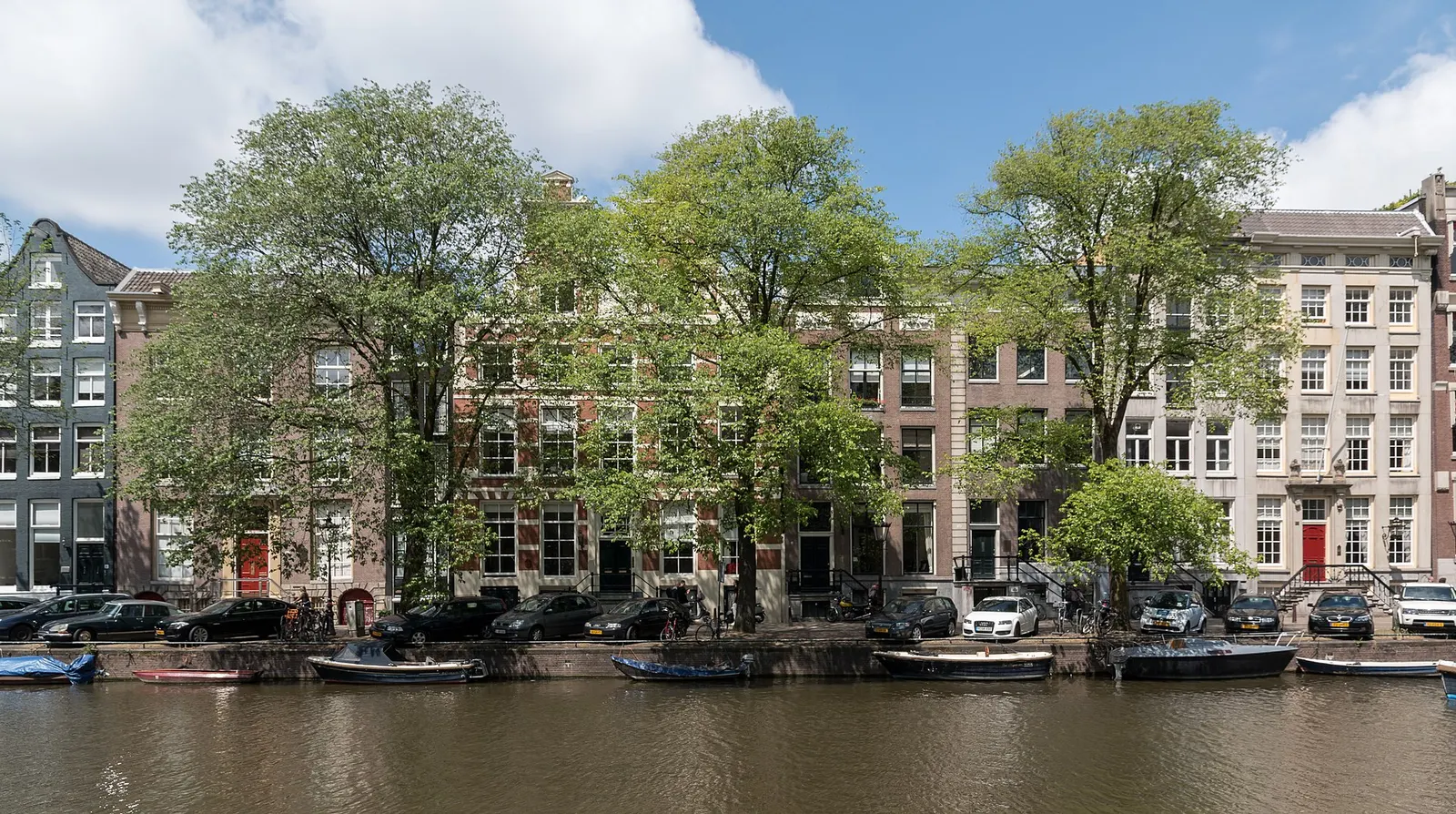
Uitwaaien meaning: what the word says
English Wiktionary defines uitwaaien as "to go out in windy weather, particularly into nature or a park, as a means of refreshing oneself and clearing one's mind" and marks this sense as idiomatic (Wiktionary). The Dutch WikiWoordenboek puts it more briefly: zich opfrissen door in de wind lopen — to freshen yourself up by walking in the wind (WikiWoordenboek). So uitwaaien is not just "going for a walk" (that is wandelen). The wind is the point: you go out because it is blowing, and you come back with a clear head. The old Woordenboek der Nederlandsche Taal, quoted by Etymologiebank, describes zich laten uitwaaien as letting the wind act on you so that you become clean, fresh and dry (Etymologiebank). And it is a common word, not a rare poetic one: in a 2013 study by the Centrum voor Leesonderzoek, 100% of people in the Netherlands and 98% in Flanders recognised it (WikiWoordenboek).
wind
Literally: wind — the reason you go out
hoofd
Literally: head — what uitwaaien clears
Where uitwaaien comes from: uit + waaien
The verb is a compound of uit (out) and waaien, the Dutch verb for what the wind does (Wiktionary). Waaien goes back to Middle Dutch wâyen; it means "to blow" (of the wind), "to wave" (of a flag), and used impersonally "to be windy": Het waaide heel hard — it was very windy (Wiktionary). Words built the same way include uitwaaier and uitwaaiing (WikiWoordenboek).
English has no single word for it, which is why uitwaaien turns up in lists of "untranslatable" words. Etymologiebank quotes the linguist Nicoline van der Sijs: Adam Jacot de Boinod's book The Meaning of Tingo (2005) named uitwaaien — "going for a walk for fun when it is very windy" — as a word English ought to adopt. As far as she could tell, no language has actually borrowed it, although waaien itself lives on in Sranantongo as wai and in Papiamento as waya (Etymologiebank). Dutch is still spoken in Suriname — see what language is spoken in Suriname.
How to pronounce uitwaaien
Wiktionary gives /ˈœy̯t.ʋaːi̯.ə(n)/: three syllables, uit·waai·en, stress on uit (Wiktionary, WikiWoordenboek). The ui is the Dutch diphthong English does not have — round your lips and say something between "ow" and "oy"; the aai sounds like English "eye" with a longer a; the final -en is usually just a soft "uh". Our Dutch pronunciation guide has the ui, ij and g sounds with audio.
Grammar: a separable verb with two pasts
| Form | Dutch | Note |
|---|---|---|
| infinitive | uitwaaien | we gaan uitwaaien |
| past (weak) | waaide uit | the regular -de past |
| past (strong) | woei uit | the older strong past, class 6 |
| past participle | uitgewaaid | ge- goes between uit and waaid |
Uitwaaien is a separable verb: in a main clause uit moves to the end, and because waaien can be weak or strong it has two past forms, as the table shows (WikiWoordenboek, Wiktionary). The easiest way to use it is with gaan + infinitive, the Dutch "going to" — see gaan and the Dutch word order guide. Three simple sentences of our own (not dictionary quotations): Zullen we gaan uitwaaien? (Shall we go and get some wind?) · Ik ga even uitwaaien op het strand. (I'm going to the beach for a bit to clear my head.) · Na die vergadering moet ik echt even uitwaaien. (After that meeting I really need some fresh air.) For the past tenses in general, see the simple past and the perfect tense.
The other meanings in the dictionary
The walk in the wind is the meaning people use today, but WikiWoordenboek lists three more (WikiWoordenboek). Context makes it clear: een kaars (a candle) that uitwaait has gone out; a person who gaat uitwaaien is going out into the weather.
- to be blown out by the wind — a candle or a fire can uitwaaien;
- to unfold in the wind — like a flag or a sail;
- to blow out something (transitive) — Etymologiebank notes the sense "be extinguished" in Dutch since 1599 and "blow out(wards)" already in Middle Dutch (Etymologiebank).
Words for an uitwaai walk, with audio
These are the words you need to talk about it. More in the weather and environment, travel and everyday nouns word lists, and in weather words in English if you want the English side.
storm
Literally: storm
strand
Literally: beach
zee
Literally: sea
wandelen
Literally: to walk, to hike
weer
Literally: weather
natuur
Literally: nature
Small talk about the weather is a national habit — our guide to Dutch small talk shows how to start one, and gezellig is the word for what comes after the walk: a warm drink indoors. Answering in full sentences out loud is the hard part; Edluxio offers live 1-to-1 lessons with teachers and professionals in many fields, with a trial lesson and a full refund if it is not right for you.
Learn the Dutch words that go with uitwaaien
16Word gives you 16 words a day with active recall, spaced repetition and a short Blocks break between answers. Free to start.
Dutch has a few of these — gezellig, lekker, toch, gewoon and graag. Other languages have theirs: Swedish lagom, Finnish sisu, Portuguese saudade, German Wanderlust, Feierabend and Schadenfreude. For a full list of sayings, see Dutch idioms.
Keep learning
- Dutch vocabulary — all word lists, from greetings to sports and common verbs
- Dutch phrasebook — hello, how are you, thank you and goodbye
- Dutch verbs — lopen, fietsen, blijven, voelen
- Dutch travel phrases and do they speak English in the Netherlands?
- Free Dutch resources, Dutch grammar and how to memorize vocabulary
- Is Dutch hard to learn? · how many people speak Dutch · all guides
Recordings (Wikimedia Commons, MP3 versions): wind — GerardM, CC BY-SA 3.0; hoofd — GerardM, CC BY 2.5; storm — Marcel coenders, CC BY-SA 3.0; strand — GerardM, CC BY-SA 3.0; zee — GerardM, CC BY-SA 3.0; wandelen — Marcel coenders, CC BY-SA 3.0; weer — GerardM, CC BY-SA 3.0; natuur — Marcel coenders, CC BY-SA 3.0.
Uitwaaien: questions people ask
What does uitwaaien mean in English?
There is no single English word. It means going out in windy weather — often to the beach, a park or the countryside — to refresh yourself and clear your head (Wiktionary).
How do you pronounce uitwaaien?
Roughly OWT-vah-yuh, with the Dutch ui sound at the start and the stress on uit. Wiktionary writes it /ˈœy̯t.ʋaːi̯.ə(n)/.
Is uitwaaien a real Dutch word or a tourist myth?
It is real and common: a 2013 study found that 100% of people in the Netherlands and 98% in Flanders recognise it (WikiWoordenboek). What is rarer is the idea that it is a special Dutch ritual — for most speakers it is simply the word for a windy walk.
What is the past tense of uitwaaien?
Both waaide uit and woei uit are listed, because waaien can be weak or strong; the past participle is uitgewaaid. It is a separable verb, so uit goes to the end of a main clause.
Can uitwaaien mean something else?
Yes. Dictionaries also list being blown out by the wind (a candle), unfolding in the wind (a flag), and blowing something out. Context tells you which one is meant.
Has English borrowed uitwaaien?
Not as far as dictionaries show. The word appeared in Adam Jacot de Boinod's The Meaning of Tingo (2005) as one English could use, but Nicoline van der Sijs found no language that has borrowed it (Etymologiebank).
Was this guide useful?
Official sources
- Wiktionary — uitwaaien (English)
- WikiWoordenboek — uitwaaien (Dutch)
- Wiktionary — waaien
- Etymologiebank — uitwaaien
- Etymologiebank — waaien (Van der Sijs, Klein uitleenwoordenboek)
- Wikimedia Commons — Dutch pronunciation (recordings, credited per word below)
- Edluxio — live 1-to-1 lessons with teachers and professionals
Keep going
- Free Dutch level test — A1 to B2, no sign-up
- /articles/gezellig-meaning
- Luxembourgish vs Dutch: how close are they?
- What does gezellig mean? The Dutch word with no translation
- Dutch holidays and traditions: Koningsdag, 4 and 5 May, Sinterklaas
- Dutch birthday customs: congratulate the family, bring the cake
- Dutch surnames: van, de, van der — capital or not?
- Dutch food words: stroopwafel, hagelslag, bitterballen and more
- Dutch directness: what it sounds like, and how to soften it
- Dutch vs Flemish: one language, two accents
- All guides