Graag meaning: the Dutch word for gladly, please and liking things
Graag meaning, in one line: graag is the Dutch adverb for "gladly" or "with pleasure" — the word Dutch speakers use where English says "I like doing…", "yes, please" or "I'd love to". Wiktionary gives it two jobs: an adverb ("willingly, gladly") and a short answer meaning "please" when someone offers you something. This guide shows both, the forms liever and liefst, the everyday graag gedaan, and how graag differs from houden van, with recordings. If you are just starting, try our free Dutch level test first, or go straight to learning Dutch with 16Word.
Updated · 7 min read
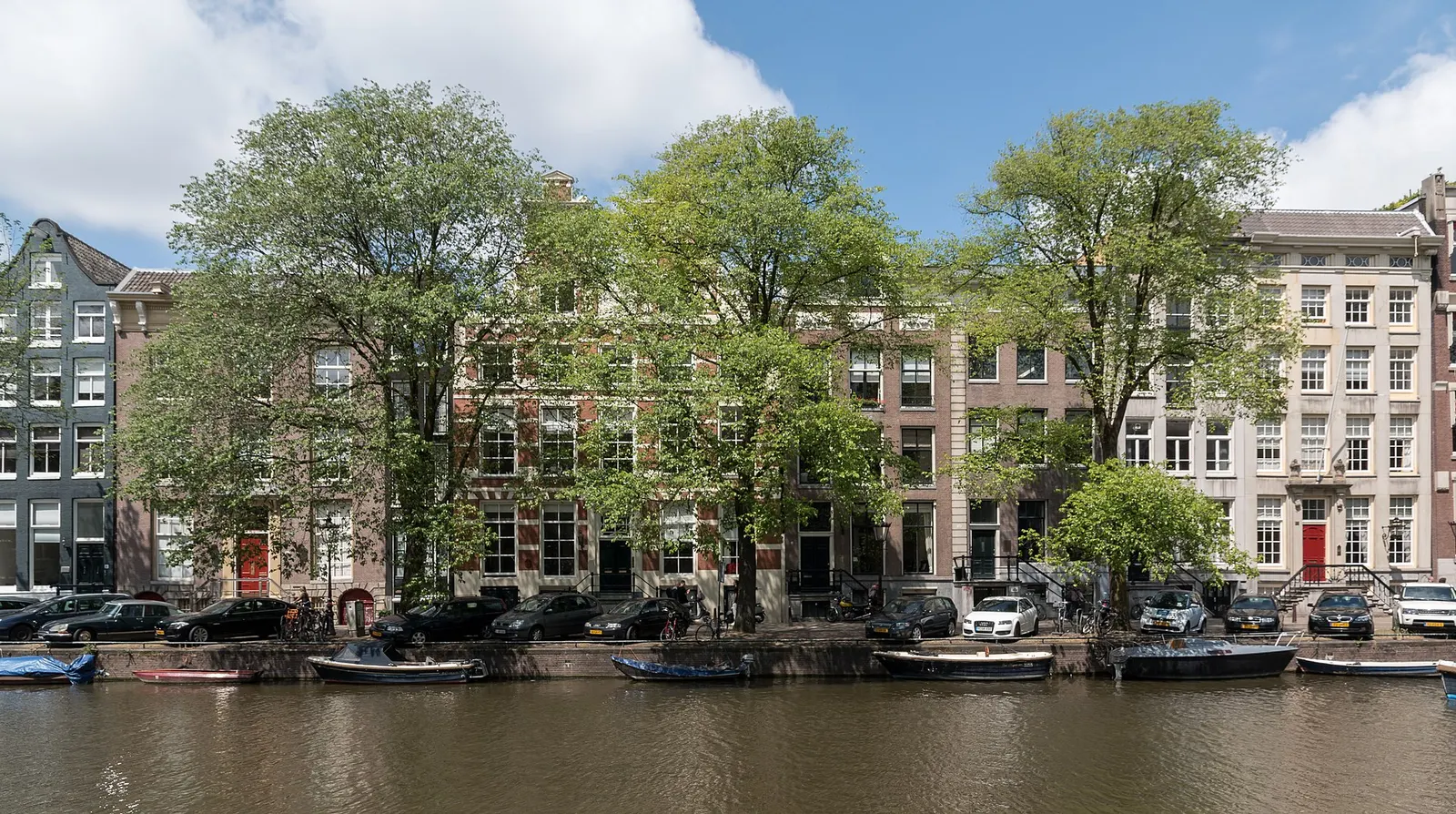
Graag meaning in English: "gladly", "with pleasure"
According to English Wiktionary, graag (pronounced /ɣraːx/, one syllable — the Algemeen Nederlands Woordenboek writes ɣraːx]) means "willingly, gladly": the person in the sentence enjoys doing the action of the verb. The Dutch dictionary [WikiWoordenboek sums it up as met plezier, "with pleasure", and notes that the word is first recorded in 1600 with that meaning.
graag
Literally: gladly, with pleasure
plezier
Literally: pleasure
The old roots are hungrier than the modern word: Wiktionary traces graag to Middle Dutch gradig ("desirous, willing") and further back to a Proto-Germanic word meaning "hungry". A word for wanting something became a word for doing it with pleasure.
How to use graag: verb + graag = "I like doing"
English uses a verb ("to like") to say you enjoy something; Dutch usually puts graag next to the verb of the activity. Wiktionary's own example is Ik loop graag op het strand — literally "I walk gladly on the beach", in natural English "I like walking on the beach". The pattern is always the same: subject + verb + graag + the rest.
| Dutch | Word for word | Natural English |
|---|---|---|
| Ik loop graag op het strand. | I walk gladly on the beach | I like walking on the beach (Wiktionary) |
| Ik drink graag koffie. | I drink gladly coffee | I like (drinking) coffee |
| Zij leest graag. | she reads gladly | She likes reading |
| Wij fietsen graag. | we cycle gladly | We like cycling |
strand
Literally: beach
koffie
Literally: coffee
lezen
Literally: to read
fietsen
Literally: to cycle
zwemmen
Literally: to swim
The verb changes for the person, graag never does: see the full tables for lezen, fietsen, eten, drinken, lopen, spelen and koken. Where graag sits in a longer sentence follows the normal rules in our guide to Dutch word order; to say you do not like something, add niet: Ik zwem niet graag — see niet and geen.
With a modal verb, graag turns a wish into a polite request: Ik wil graag een kopje koffie is a polite way to ask for something ("I'd like a coffee, please"). Wiktionary's entry for houden has the same shape: Ik wil graag varkens houden, maar dat mag niet — "I would like to keep pigs, but I'm not allowed". More café and shop sentences: Dutch in shops and restaurants and the verb willen.
willen
Literally: to want
"Ja, graag": graag as "yes, please"
The second meaning in Wiktionary is an interjection: graag on its own means "please" when you accept something you are offered. Its example could have been recorded in any Dutch kitchen: Wilt u nog een kopje thee? — Ja, graag. ("Would you like another cup of tea? — Yes, please.")
thee
Literally: tea
ja
Literally: yes
So ja, graag is how you accept an offer. For asking for things, Dutch has alstublieft — both are on our phrase page how to say please in Dutch, and the answers ja and nee on yes and no.
alstublieft
Literally: please (formal)
dank
Literally: thanks
Graag gedaan: "you're welcome"
When someone thanks you, the answer is very often graag gedaan. Wiktionary translates it as "you're welcome; my pleasure", literally "gladly done". It is the friendly reply to dank je wel — the whole exchange is on our pages thank you in Dutch and you're welcome in Dutch.
Liever and het liefst: "rather" and "most of all"
Graag has its own comparative and superlative: Wiktionary gives liever as the comparative of graag ("rather, preferably") and liefst as the superlative ("most preferably"). So Ik drink graag koffie, maar liever thee means "I like coffee, but I'd rather have tea", and het liefst names your favourite: Ik zwem het liefst in zee — "I like swimming in the sea best".
lief
Literally: dear, sweet (the root of liever, liefst)
WikiWoordenboek and the ANW also list the regular forms grager and graagst (and grage before a noun); in the sense "rather" and "best", Wiktionary points to liever and liefst.
Learn the 16 Dutch words you need today
Graag only works once you know the verbs around it. 16Word gives you 16 words a day with active recall, spaced repetition and a short Blocks game between answers. Free to start.
Graag or houden van? Two ways to say you like something
Wiktionary's entry for houden gives houden van as "to love; to like", with examples such as Ik hou van jou ("I love you") and Hij houdt van Belgisch bier en frieten ("He loves Belgian beer and fries"). It even lists graag as a near-synonym. The difference is grammar: houden van is a verb that takes a thing or a person; graag is an adverb that needs another verb.
- Ik hou van kaas — "I love cheese" (the cheese is the object of houden van).
- Ik eet graag kaas — "I like eating cheese" (graag describes the eating).
- Ik hou van jou — Wiktionary's example for a person: our phrase page I love you in Dutch has more.
kaas
Literally: cheese
bier
Literally: beer
houden
Literally: to hold, to keep (houden van: to love)
See the forms of houden and hebben; the Belgian graag hebben is listed by Wiktionary as a near-synonym too — more on Belgian usage in Dutch vs Flemish and Flemish expressions.
Stronger graag: dolgraag and friends
WikiWoordenboek lists words that make graag stronger: dolgraag, doodgraag, supergraag and zielsgraag — all roughly "I'd love to". It also lists compounds such as leergraag ("eager to learn") and praatgraag ("chatty"), and the idiom niet graag in iemands schoenen staan: not wanting to be in someone's difficult situation. Other languages have their own graag: WikiWoordenboek gives German gerne, French avec plaisir, Italian volentieri and Spanish con mucho gusto, and Afrikaans kept graag itself — Wiktionary quotes Ek wil graag saamkom!, "I would love to come along!".
If you want to hear graag in real conversations and get feedback on your own Dutch, Edluxio has live 1-to-1 lessons with teachers and professionals in many fields, with a trial lesson and a full refund if it is not right for you.
Keep learning Dutch
- Lekker meaning, gezellig meaning, toch meaning and gewoon meaning — four more words that are hard to translate
- Dutch greetings, Dutch small talk and Dutch travel phrases
- Dutch present tense and Dutch modal verbs — the grammar behind ik wil graag
- Dutch food words and the word lists food and restaurant, common verbs, sports and fitness and adverbs
- Dutch phrasebook, Dutch vocabulary, Dutch verbs and Dutch grammar
- Is Dutch hard to learn? and how to memorize vocabulary
- Also new today: days of the week in Luxembourgish and Goethe A1 vocabulary
- Free Dutch resources and all guides
Recordings (Wikimedia Commons, MP3 versions): graag — GerardM, CC BY-SA 3.0; lief — Marcel coenders, CC BY-SA 3.0; koffie — GerardM, CC BY-SA 3.0; thee — Marcel coenders, CC BY-SA 3.0; kaas — GerardM, CC BY-SA 3.0; bier — GerardM, CC BY-SA 3.0; fietsen — Grunnen, CC BY-SA 3.0; lezen — GerardM, CC BY-SA 3.0; zwemmen — GerardM, CC BY-SA 3.0; willen — GerardM, CC BY-SA 3.0; houden — Marcel coenders, CC BY-SA 3.0; dank — GerardM, CC BY-SA 3.0; alstublieft — GerardM, CC BY-SA 3.0; ja — GerardM, CC BY-SA 3.0; strand — GerardM, CC BY-SA 3.0; plezier — Marcel coenders, CC BY-SA 3.0.
Graag: questions people ask
What does graag mean in English?
Graag means "gladly" or "with pleasure". With a verb it usually translates as "like doing": ik lees graag = "I like reading". On its own, as in "Ja, graag", it means "yes, please".
How do you pronounce graag?
Graag is one syllable, /ɣraːx/: the g at both ends is the Dutch throat sound, with a long aa in the middle. Listen to the recording near the top of this guide.
What is the difference between graag and alstublieft?
Graag on its own means "please" when you accept an offer: "Wilt u nog een kopje thee?" — "Ja, graag." Alstublieft (or alsjeblieft) is the please you use when you ask for something.
What does graag gedaan mean?
Graag gedaan means "you're welcome" or "my pleasure" — literally "gladly done". It is the usual answer to dank je wel.
What are liever and het liefst?
Liever is the comparative of graag ("rather") and liefst the superlative: ik drink liever thee = "I would rather drink tea", ik drink het liefst thee = "I like tea best".
Is graag the same as houden van?
Both say you like something, but houden van is a verb with an object (ik hou van kaas), while graag is an adverb that needs another verb (ik eet graag kaas). Wiktionary's example for a person is Ik hou van jou.
Was this guide useful?
Official sources
Keep going
- Learn Dutch 16 words a day
- /phrases/dutch/you-are-welcome
- /articles/lekker-meaning
- Luxembourgish vs Dutch: how close are they?
- What does gezellig mean? The Dutch word with no translation
- Dutch holidays and traditions: Koningsdag, 4 and 5 May, Sinterklaas
- Dutch birthday customs: congratulate the family, bring the cake
- Dutch surnames: van, de, van der — capital or not?
- Dutch food words: stroopwafel, hagelslag, bitterballen and more
- Dutch directness: what it sounds like, and how to soften it
- Dutch vs Flemish: one language, two accents
- All guides