Guides
Luxembourgish grammar, everyday phrases, proverbs and idioms, the Sproochentest and other nationality exams, how to learn, and travel to and from Luxembourg — 435 guides, explained from official sources and with native audio.
435 guides in 8 topics
Exams & nationality
The Sproochentest, inburgering and the levels they ask for.
Polish citizenship: the B1 Polish certificate and how to get it
Polish citizenship asks for a B1 Polish certificate: who can apply, the B1 exam's parts and 50% pass rule, fees, 2027 dates and the planned move to B2.
The Greek Certificate of Attainment: levels, dates and fees
The Certificate of Attainment in Greek: its six levels A1–C2, the May 2027 dates and fees, how to register, exam-day rules and how the writing is marked.
TOPIK levels explained: TOPIK I and II, scores, IBT and speaking
TOPIK levels 1–6 explained: TOPIK I and II, the score for each level, paper and IBT timetables, the speaking test, fees in Korea and the 2-year validity.
Finnish citizenship: the language requirement and the YKI test
Finnish citizenship needs satisfactory Finnish or Swedish: YKI level 3 or another proof, 8 years' residence and, from 2027, a citizenship test.
JLPT levels N5 to N1: sections, times and pass marks
The five JLPT levels from N5 to N1: what each one means, the test sections and times, the pass marks per level and the 2026 test dates.
The Czech A2 exam for permanent residence: format, points and fee
The Czech A2 exam for permanent residence: who must take it, the four parts and timings, the 60% pass marks, the CZK 3,200 fee and who is exempt.
Italian citizenship: the B1 Italian language requirement
B1 Italian for citizenship by residence or marriage: the four accepted proofs, the four certifying bodies and the residence years, from official pages.
Portuguese nationality: the A2 requirement and the CIPLE exam
Portuguese nationality: how to prove A2 Portuguese, who is exempt, and the CIPLE exam — parts, timings, grades and the €95 fee, from official pages.
Spanish nationality: the DELE A2 and CCSE requirement explained
Spanish nationality by residence: who needs the DELE A2 and the CCSE, who is exempt, residence years and the 2027 exam dates — from the BOE and Cervantes.
Almanca A1 sınavı (Start Deutsch 1): bölümler, süreler ve hazırlık
Goethe-Zertifikat A1: Start Deutsch 1 nasıl bir sınav? Dört bölüm ve süreleri, ücretsiz resmî deneme sınavları ve 8 haftalık kelime planı.
Eş birleşimi için A1 Almanca: hangi belge geçerli, kimler muaf?
Almanya'ya eş birleşimi vizesinde A1 Almanca şartı: yasa ne diyor, hangi sınav belgeleri kabul ediliyor, kimler muaf, başvurudan önce ne yapmalı?
YDS kelime çalışma planı: 12 haftada düzenli tekrar
YDS kelime çalışması için 12 haftalık plan: günlük kelime hedefi, tekrar takvimi, akademik metinlere uygun listeler ve son iki hafta.
امتحان A1 الألماني (Start Deutsch 1): الأقسام والمدة وكيف تستعد
ما هو امتحان Goethe-Zertifikat A1: Start Deutsch 1؟ أقسامه الأربعة ومدة كل قسم، وامتحانات تجريبية رسمية مجانية، وخطة مفردات في 8 أسابيع.
شهادة A1 الألمانية للمّ شمل الزوجين: من يحتاجها ومن يُعفى منها؟
شرط اللغة الألمانية A1 في تأشيرة لمّ شمل الزوجين: ماذا يقول القانون، وأي الشهادات مقبولة، ومن المعفى، وما وضع أصحاب الحماية الفرعية حتى 2027.

2026'da Hollanda inburgering sınavı: yollar, bölümler, ücretler ve SSS
Hollanda'da 2026 inburgering sınavı: yollar, €50'lik beş sınav, 3 yıllık süre ve Hollanda vatandaşlığı için A2 seviyesi, resmî kaynaklardan.
1 1 1
3 yıllık inburgering süresi: mektuplar, para cezaları ve ek süre
Uyum için üç yıl: DUO'nun mektupları, en fazla €1,000 ceza (PVT veya MAP için €340), ek süre ve statü sahiplerine neden hiç ceza kesilmediği.
A 12-week plan to prepare for the inburgering exams
Twelve weeks, 45 minutes a day, one exam every two to three weeks: a plan for the inburgering exams that starts with the official practice material.
A2 or B1 Dutch: which level do you need for inburgering, nationality or study?
A2 for Dutch and Belgian nationality, B1 for inburgering under the 2021 law, B2 for university: each goal's official level, and what A2 and B1 mean.

Belçika vatandaşlığı: A2 dil şartı ve Flaman Felemenkçe testi
Belçika vatandaşlığı için Felemenkçe, Fransızca veya Almanca A2 gerekir. Kanıt yolları, Flaman A2 testi (€180), €1.030 harç ve B1 planı.
Belgian nationality: the A2 language requirement and the Flemish Dutch test
Belgian nationality asks A2 in Dutch, French or German. The routes, how to prove it, the Flemish A2 Dutch test (€180), the €1,030 fee and the B1 plan.

Dutch citizenship: the A2 language requirement and the naturalisation test
To naturalise you need the civic integration exam at A2 or an NT2 diploma. The IND's conditions, exemptions, the €1,139 fee and the planned move to B1.
Felemenkçe A2 mi, B1 mi? Inburgering, vatandaşlık veya eğitim için hangi seviye gerekir?
Hollanda ve Belçika vatandaşlığı için A2, 2021 yasasıyla inburgering için B1, üniversite için B2: her hedefin resmî seviyesi ve A2/B1'in anlamı.
Flaman Bölgesi'nde inburgering: uyum süreci ve A2 Felemenkçe
Flaman uyum süreci: kendi dilinizde Belçika'da yaşam kursu, A2 Felemenkçe, iş ve katılım — ve ücretsiz muafiyet sınavı.
Hollanda vatandaşlığı: A2 dil şartı ve naturalizasyon testi
Vatandaşlık için A2 uyum sınavı ya da NT2 diploması gerekir. IND'nin koşulları, muafiyetler, €1,139 ücret ve planlanan B1 geçişi.
How to register for the inburgering exams and the Staatsexamen NT2
Where and how to book: Mijn Inburgering for A2 and KNM, MijnDUO for the NT2, the municipality for MAP and PVT. Dates, payment, ID and results.
Inburgering dinleme sınavı (A2 ve B1): sizi neler bekliyor ve nasıl çalışmalısınız
Felemenkçe dinleme sınavı: A2 45 dakika, B1 90 dakika; yaklaşık 40 görev ve her kayıt bir kez. Sayılar, saatler, gerçek konuşma ve kulak eğitimi.
Inburgering exemptions and dispensation: when you take fewer or no exams
When you take fewer inburgering exams or none: a Dutch-taught diploma, 10 years here and 5 working, illness, an NT2 diploma — 2021 Act, 2013 Act, IND.
Inburgering in Flanders: the integration pathway and A2 Dutch
The Flemish integration pathway: a course on life in Belgium in your language, Dutch to A2, work and participation — and the free exemption test.
Inburgering konuşma sınavı (A2 ve B1): format ve örnek cevaplar
Felemenkçe konuşma sınavı kaydedilir: B1'de cevap başına 20 veya 30 saniye. İşleyişi, süreye uyan örnek cevaplar ve tek başına çalışma yolları.
Inburgering okuma sınavı (A2 ve B1): format, soru türleri ve ipuçları
A2 (65 dakika) ve B1 (110 dakika, 36 soru, sözlük serbest) Felemenkçe okuma sınavı: soru türleri, sinyal kelimeler ve hazırlık.
Inburgering sınavlarına hazırlık: 12 haftalık plan
On iki hafta, günde 45 dakika, iki-üç haftada bir sınav: resmî alıştırma materyaliyle başlayan bir inburgering sınavları planı.
Inburgering sınavlarına ve Staatsexamen NT2'ye nasıl kayıt olunur?
Nereden, nasıl kayıt olunur: A2 ve KNM için Mijn Inburgering, NT2 için MijnDUO, MAP ve PVT için belediye. Tarihler, ödeme, kimlik, sonuçlar.
Inburgering yazma sınavı (A2 ve B1): görevler, örnek mesajlar ve hatalar
Felemenkçe yazma sınavı: A2 kâğıt üzerinde 40 dakika, B1 bilgisayarda 100 dakika. Görevler, u mu je mi, örnek mesajlar ve en sık yapılan hatalar.
Inburgering'de muafiyet ve istisna: daha az sınava girdiğiniz ya da hiç girmediğiniz durumlar
Daha az inburgering sınavı ya da hiç sınav: Felemenkçe eğitimli diploma, 10 yıl ikamet ve 5 yıl çalışma, hastalık, NT2 — 2021 ve 2013 Yasası, IND.
KNM sınavı (Hollanda Toplumu Bilgisi): formatı, temaları ve nasıl hazırlanılır
KNM: bilgisayarda, Felemenkçe, tema tema 45 dakika. DUO ne diyor, her alanın temel kelimeleri ve DUO'nun deneme sınavları.
Staatsexamen NT2: Program I (B1) mi, Program II (B2) mi?
Staatsexamen NT2: Program I B1, Program II B2. Hangisini seçmeli, dört bölüm nasıl farklı, bölüm başı €50, 500 geçme puanı ve kayıt.
Staatsexamen NT2: programme I (B1) or programme II (B2)?
The Staatsexamen NT2: programme I is B1, programme II is B2. Which to choose, how the four parts differ, €50 per part, the 500 pass mark and registration.
Staatsexamen NT2: البرنامج I (B1) أم البرنامج II (B2)؟
Staatsexamen NT2: البرنامج I بمستوى B1 والبرنامج II بمستوى B2. أيهما تختار، والأجزاء الأربعة، و€50 لكل جزء، ودرجة النجاح 500، والتسجيل.
The 3-year inburgering deadline: letters, fines and extra time
Three years to integrate: DUO's letters, fines of up to €1,000 (€340 for PVT or MAP), the extra time you get — and why status holders are never fined.
The Dutch inburgering exam in 2026: routes, parts, fees and FAQ
The Dutch inburgering exam in 2026: the routes, the five exams at €50, the 3-year deadline and the A2 level for Dutch nationality — from official sources.
The inburgering listening exam (A2 and B1): what to expect and how to train
The Dutch listening exam: A2 in 45 minutes, B1 in 90 — about 40 tasks, each fragment heard once. Numbers, times, real speech and how to train your ear.
The inburgering reading exam (A2 and B1): format, question types and tips
The Dutch reading exam at A2 (65 minutes) and B1 (110 minutes, 36 questions, dictionary allowed): the question types, signal words and how to prepare.
The inburgering speaking exam (A2 and B1): format and model answers
The Dutch speaking exam is recorded: 20 or 30 seconds per answer at B1. How it works, model answers that fit the time, and how to practise alone.
The inburgering writing exam (A2 and B1): tasks, model messages and mistakes
The Dutch writing exam: A2 on paper in 40 minutes, B1 typed in 100. The tasks, u or je, model messages to adapt and the mistakes raters see most.
The KNM exam (Knowledge of Dutch Society): format, themes and how to prepare
KNM: 45 minutes on a computer, in Dutch, theme by theme. What DUO says about it, the words each area of daily life runs on, and DUO's practice exams.
The three inburgering routes: B1, education and Z route explained
Since 2022 your municipality sets your route: B1 towards work, education towards study, Z towards self-reliance. The intake, the PIP, MAP and PVT.
Üç inburgering yolu: B1, eğitim yolu ve Z yolu nedir?
2022'den beri yolunuzu belediye belirler: işe yönelik B1, eğitime yönelik eğitim yolu, kendi kendine yetme için Z. Intake, PIP, MAP ve PVT.
Uyum sürecinin (inburgering) maliyeti: sınav ücretleri, ücretsiz deneme hakları ve DUO kredisi
Uyum (inburgering) maliyeti: sınav başına €50, 2021 Yasası'nda €250, NT2 için €200. Statü sahiplerine ücretsiz haklar, DUO kredisi ve geri ödeme.
What inburgering costs: exam fees, free attempts and the DUO loan
Inburgering costs: €50 per exam, €250 under the 2021 Act, €200 for the NT2. Free attempts for status holders, the DUO loan and how you pay it back.
الـinburgering في فلاندرن: مسار الاندماج واللغة الهولندية بمستوى A2
مسار الاندماج في فلاندرن: دورة عن الحياة في بلجيكا بلغتكم، والهولندية حتى A2، والعمل والمشاركة، واختبار الإعفاء المجاني.
الإعفاء والاستثناء في الاندماج (inburgering): متى تقدّمون امتحانات أقل أو لا تقدّمون أي امتحان
متى تقدّمون امتحانات اندماج أقل أو لا شيء: شهادة بالهولندية، 10 سنوات إقامة منها 5 عمل، مرض، شهادة NT2 — قانون 2021 وقانون 2013 وIND.
الجنسية البلجيكية: شرط اللغة بمستوى A2 واختبار اللغة الهولندية في فلاندرن
تشترط الجنسية البلجيكية المستوى A2 بالهولندية أو الفرنسية أو الألمانية: المسارات، طرق الإثبات، اختبار A2 الفلمنكي (€180)، رسم €1,030، وخطة B1.
الجنسية الهولندية: شرط اللغة بمستوى A2 واختبار التجنس
للتجنس تحتاجون إلى امتحان الاندماج بمستوى A2 أو دبلوم NT2. شروط IND والإعفاءات ورسوم €1,139 والانتقال المزمع إلى B1.
الهولندية بمستوى A2 أم B1: ما المستوى الذي تحتاجونه للاندماج (inburgering) أو الجنسية أو الدراسة؟
A2 للجنسية الهولندية والبلجيكية، وB1 للاندماج وفق قانون 2021، وB2 للجامعة: المستوى الرسمي لكل هدف، ومعنى A2 وB1.
امتحان KNM (معرفة المجتمع الهولندي): شكله ومحاوره وكيفية الاستعداد له
امتحان KNM: 45 دقيقة على الحاسوب باللغة الهولندية، محورًا تلو الآخر. ما تقوله DUO، ومفردات كل مجال من الحياة اليومية، وامتحانات DUO التجريبية.
امتحان الاستماع في الاندماج (inburgering) بمستويي A2 وB1: ما الذي ينتظركم وكيف تتدرّبون
امتحان الاستماع الهولندي: A2 في 45 دقيقة وB1 في 90، نحو 40 مهمة، وكل مقطع يُسمع مرة واحدة. الأرقام والأوقات والكلام الحقيقي وتدريب الأذن.
امتحان الاندماج (inburgering) في هولندا 2026: المسارات والأجزاء والرسوم والأسئلة الشائعة
امتحان inburgering في هولندا 2026: المسارات، والامتحانات الخمسة بـ€50 لكل منها، ومهلة 3 سنوات، ومستوى A2 للجنسية الهولندية، من مصادر رسمية.
امتحان التحدّث في الاندماج (inburgering) بمستويي A2 وB1: طريقة الامتحان وإجابات نموذجية
امتحان التحدّث الهولندي مسجَّل: 20 أو 30 ثانية لكل إجابة في B1. كيف يجري، وإجابات نموذجية تناسب الوقت، وكيف تتدرّب وحدك.
امتحان القراءة للاندماج (inburgering) بمستويَي A2 وB1: الشكل وأنواع الأسئلة ونصائح
امتحان القراءة الهولندي بمستوى A2 (65 دقيقة) وB1 (110 دقيقة، 36 سؤالًا، والقاموس مسموح): أنواع الأسئلة وكلمات الربط وطرق الاستعداد.
امتحان الكتابة في الاندماج (inburgering) بمستويَي A2 وB1: المهام ونماذج الرسائل والأخطاء الشائعة
امتحان الكتابة الهولندي: A2 على الورق في 40 دقيقة، وB1 على الحاسوب في 100. المهام، وu أم je، ونماذج رسائل، وأكثر الأخطاء شيوعًا.
تكاليف inburgering: رسوم الامتحانات والمحاولات المجانية وقرض DUO
تكاليف inburgering: €50 لكل امتحان، و€250 وفق قانون 2021، و€200 لامتحان NT2. محاولات مجانية لحاملي إقامة اللجوء، وقرض DUO وطريقة سداده.
خطة من 12 أسبوعًا للاستعداد لامتحانات الاندماج (inburgering)
12 أسبوعًا، و45 دقيقة يوميًا، وامتحان كل أسبوعين إلى 3 أسابيع: خطة لامتحانات inburgering تبدأ بمواد التدريب الرسمية.
كيف تسجّل في امتحانات الاندماج (inburgering) وفي Staatsexamen NT2
أين وكيف تحجز: Mijn Inburgering لـA2 وKNM، وMijnDUO لـNT2، والبلدية لـMAP وPVT. المواعيد والدفع والهوية والنتائج.
مسارات الاندماج الثلاثة: شرح مسار B1 ومسار التعليم ومسار Z
منذ 2022 تحدد البلدية مسارك: B1 نحو العمل، أو التعليم نحو الدراسة، أو Z نحو الاعتماد على الذات. المقابلة الأولية وPIP وMAP وPVT.
مهلة الاندماج (inburgering) البالغة 3 سنوات: الرسائل والغرامات والوقت الإضافي
ثلاث سنوات للاندماج: رسائل DUO، وغرامات تصل إلى €1,000 (€340 لـ PVT أو MAP)، والوقت الإضافي، ولماذا لا يُغرَّم حاملو إقامة اللجوء أبدًا.
A 60-day Sproochentest preparation plan, week by week
Prepare the Sproochentest in 60 days, 30 minutes a day: registration, speaking topics, the picture description and the listening part.

Luxembourgish levels A1 to B2: what each CEFR level means in practice
What A1, A2, B1 and B2 mean in Luxembourgish, with real sentences for each level, and where the levels matter — from the Sproochentest to jobs.
Plan de préparation au Sproochentest en 60 jours, semaine par semaine
Préparer le Sproochentest en 60 jours, 30 minutes par jour : inscription, thèmes de l'oral, description d'image et compréhension orale.

Sproochentest listening (B1): the three recordings and how to practise
The Sproochentest listening part: 35 minutes, three recordings, multiple choice on a tablet — and why it can rescue your speaking score.

Sproochentest speaking (A2): topics, picture description and how to prepare
The Sproochentest speaking part: format, pass rule, model sentences for family, housing, work and leisure, the picture description — with audio.
Sproochentest, compréhension orale (B1) : les trois enregistrements et comment s'entraîner
La compréhension orale du Sproochentest : 35 minutes, trois enregistrements, QCM sur tablette — et pourquoi elle peut sauver votre note d'oral.
Sproochentest, épreuve orale (A2) : thèmes, description d'image et préparation
L'oral du Sproochentest : format, règle de réussite, phrases modèles (famille, logement, travail, loisirs), description d'image — avec audio.
What level of Luxembourgish do you need for citizenship?
The Luxembourgish level for citizenship: A2 speaking, B1 listening, how you pass, fee, retakes and exemptions — from Guichet.lu and the INL.

Sproochentest : déroulement, niveau requis et questions fréquentes
Le Sproochentest pour la nationalité expliqué : épreuves orales A2 et B1, inscription, frais, dispenses — et les réponses aux questions fréquentes.
Grammar & pronunciation
Verbs, word order, the n-rule — and how to say it right.

¿Tiempos verbales en chino? El tiempo con 了, 过, 在 y 着
El chino no tiene tiempos verbales. Cómo las palabras de tiempo y 了, 过, 在, 着 expresan pasado, experiencia, acción en curso y estado.
Chinese grammar basics: the 8 rules that matter most
Chinese grammar for beginners: no conjugation, fixed word order, no articles or plural, measure words, adjectives as verbs, 吗 questions, tones.
Chinese tenses? How Chinese shows time with 了, 过, 在 and 着
Chinese has no tenses: verbs never change. How time words and the particles 了, 过, 在 and 着 show past, experience, progress and state.
Çince gramer temelleri: en önemli 8 kural
Yeni başlayanlar için Çince gramer: fiil çekimi yok, sabit sıra, tanımlık ve çoğul yok, sınıflandırıcılar, fiil gibi sıfatlar, 吗 ve tonlar.
1
Çincede zamanlar var mı? 了, 过, 在 ve 着 ile zaman
Çincede fiil zamanları yok: fiil hiç değişmez. Zaman sözcükleri ve 了, 过, 在, 着 geçmişi, deneyimi, süren eylemi ve durumu nasıl gösterir?
Fransızca gramer temelleri: en önemli 8 kural
Yeni başlayanlar için Fransızca gramer: cinsiyet, artikel, sıfat uyumu, duyulmayan çoğul, fiil kişileri, être mi avoir mı, futur proche, subjonctif.

Fransızca zamanlar: gereken 7 zaman, öğrenme sırasıyla
Fransızca zamanlar: présent, passé composé, imparfait, futur proche, futur simple, conditionnel, subjonctif — ve passé simple’ı neden erteleyebilirsiniz.
French grammar basics: the 8 rules that matter most
French grammar for beginners: gender, articles, adjective agreement and position, silent plurals, verb endings, être or avoir, futur proche, subjonctif.
French tenses explained: the 7 you need, in the order to learn them
French tenses for learners: présent, passé composé, imparfait, futur proche, futur simple, conditionnel, subjonctif — and the passé simple.
Gramática china básica: las 8 reglas más importantes
Gramática china para principiantes: sin conjugación, orden fijo, sin artículos ni plural, clasificadores, adjetivos-verbo, 吗 y tonos.
Gramática chinesa essencial: as 8 regras mais importantes
Gramática chinesa para principiantes: sem conjugação, ordem fixa, sem artigos nem plural, classificadores, adjetivos-verbo, 吗 e tons.
Gramática francesa básica: las 8 reglas que más importan
Gramática francesa para principiantes: género, concordancia y lugar del adjetivo, plural mudo, personas del verbo, être o avoir, futur proche, subjuntivo.
Gramática francesa essencial: as 8 regras que mais contam
Gramática francesa para principiantes: género, concordância e lugar do adjetivo, plural mudo, pessoas do verbo, être ou avoir, futur proche, conjuntivo.
Gramática japonesa básica: las 8 reglas más importantes
Gramática japonesa para principiantes: verbo al final, partículas が, を y は, sin concordancia ni plural, adjetivos que se conjugan, ます, か, contadores.
Gramática japonesa essencial: as 8 regras mais importantes
Gramática japonesa para principiantes: verbo no fim, partículas が, を e は, sem concordância nem plural, adjetivos que se conjugam, ます, か e contadores.
Grammaire chinoise : les 8 règles de base à connaître
Grammaire chinoise pour débutants : pas de conjugaison, ordre fixe, ni article ni pluriel, classificateurs, adjectifs-verbes, 吗, tons.
Grammaire française : les bases — les 8 règles qui comptent
Grammaire française pour débutants : genre, accord et place de l’adjectif, pluriel muet, personnes du verbe, être ou avoir, futur proche, subjonctif.
Grammaire japonaise : les 8 règles de base à connaître
Grammaire japonaise pour débutants : verbe à la fin, particules が, を et は, ni accord ni pluriel, adjectifs conjugués, ます poli, questions en か, compteurs.
Japanese grammar basics: the 8 rules that matter most
Japanese grammar for beginners: verb last, particles が, を and は, no agreement or plural, adjectives that conjugate, polite ます, か questions, counters.

Japanese tenses explained: past, non-past and ている
Japanese has two tenses: past た and non-past, which also covers the future. Plus ている for “is doing”, the polite ます/ました and the negative ない.
Japonca gramer temelleri: en önemli 8 kural
Yeni başlayanlar için Japonca dilbilgisi: fiil sonda, が, を ve は ilgeçleri, uyum ve çoğul yok, çekimli sıfatlar, ます, か ve sayma sözcükleri.
Japonca zamanlar: geçmiş, geçmiş-olmayan ve ている
Japoncada iki zaman var: た ile geçmiş ve geleceği de karşılayan geçmiş-olmayan. Ayrıca ている, nazik ます/ました biçimleri ve olumsuz ない.
Les temps du français : les 7 à connaître, dans l’ordre
Les temps du français pour apprenants : présent, passé composé, imparfait, futur proche, futur simple, conditionnel, subjonctif — et le passé simple.
Les temps en chinois ? Exprimer le temps avec 了, 过, 在 et 着
Le chinois n’a pas de temps verbaux. Comment les mots de temps et 了, 过, 在, 着 disent le passé, l’expérience, l’action en cours et l’état.
Les temps en japonais : passé, non-passé et ている
Le japonais a deux temps : le passé en た et le non-passé, qui sert aussi au futur. Plus ている pour « être en train de », ます/ました et la négation ない.
Tempos verbais em chinês? O tempo com 了, 过, 在 e 着
O chinês não tem tempos verbais. Como as palavras de tempo e 了, 过, 在, 着 exprimem passado, experiência, ação em curso e estado.
Tempos verbais em francês: os 7 de que precisa, por ordem
Tempos verbais em francês: présent, passé composé, imparfait, futur proche, futur simple, conditionnel, subjonctif — e porque deixar o passé simple.
Tempos verbais em japonês: passado, não passado e ている
O japonês tem dois tempos: o passado em た e o não passado, que também serve para o futuro. Mais ている, as formas corteses ます/ました e o negativo ない.
Tiempos verbales en francés: los 7 que necesitas, en orden
Tiempos verbales en francés: présent, passé composé, imparfait, futur proche, futur simple, conditionnel, subjonctif, y por qué dejar el passé simple.
Tiempos verbales en japonés: pasado, no pasado y ている
El japonés tiene dos tiempos: el pasado en た y el no pasado, que también sirve para el futuro. Más ている, las formas corteses ます/ました y el negativo ない.
أزمنة اللغة الفرنسية: الأزمنة السبعة التي تحتاجها بالترتيب
أزمنة الفرنسية للمتعلم: présent وpassé composé وimparfait والمستقبل القريب والبسيط والشرط والـsubjonctif — ولماذا تؤجّل passé simple.
الأزمنة في اليابانية: الماضي وغير الماضي وている
في اليابانية زمنان: الماضي بـた، وغير الماضي الذي يُستعمل للمستقبل أيضًا. ومعهما ている، والصيغ المهذبة ます/ました، والنفي ない.
قواعد اللغة الصينية: أهم 8 قواعد للمبتدئين
قواعد الصينية للمبتدئين: لا تصريف، وترتيب ثابت، ولا أداة تعريف ولا جمع، وكلمات العدّ، وصفات تعمل كالأفعال، و吗، والنغمات.
قواعد اللغة الفرنسية للمبتدئين: أهم 8 قواعد
قواعد الفرنسية للمبتدئين: التذكير والتأنيث، مطابقة الصفة وموضعها، الجمع الصامت، تصريف الأفعال، être أم avoir، المستقبل القريب والـsubjonctif.
قواعد اللغة اليابانية: أهم 8 قواعد للمبتدئين
قواعد اليابانية للمبتدئين: الفعل في آخر الجملة، والأدوات が وを وは، بلا مطابقة ولا جمع، وصفات تُصرَّف، وます، وか، وكلمات العدّ.
هل في الصينية أزمنة؟ التعبير عن الزمن بـ 了 و过 و在 و着
لا أزمنة صرفية في الصينية: الفعل لا يتغير. كيف تعبّر كلمات الزمن و了 و过 و在 و着 عن الماضي والتجربة والحدث الجاري والحال.
フランス語の時制:覚えるべき7つと学ぶ順番
フランス語の時制:現在形、複合過去、半過去、近接未来、単純未来、条件法、接続法——そして単純過去を後回しにしてよい理由。
フランス語文法の基礎:いちばん大事な8つのルール
初心者のためのフランス語文法:名詞の性、冠詞、形容詞の一致と位置、発音しない複数、動詞の人称、être と avoir、近接未来、接続法。
中国語に時制はある?「了・过・在・着」で時を表す
中国語には時制がなく、動詞は変化しません。時間の語と「了・过・在・着」で、過去・経験・進行・状態をどう表すかを解説します。
中国語文法の基礎:いちばん大事な8つのルール
初心者のための中国語文法:活用なし、語順は固定、冠詞も複数形もなし、量詞、動詞のように働く形容詞、「吗」の疑問文、声調。
日本語の時制:過去・非過去と「ている」
日本語の時制は2つ:「た」の過去と、未来も表す非過去。さらに「ている」、丁寧形「ます/ました」、否定の「ない」を学習者の目で解説。
日本語文法の基礎:学習者がまず押さえる8つのルール
学習者の目で見た日本語文法:動詞は文末、助詞「が」「を」「は」、一致も複数形もない、活用する形容詞、「ます」「か」と助数詞。
日语的时态:过去、非过去和ている
日语只有两个时态:用た表示的过去,和兼管将来的非过去;再加上ている、礼貌形ます/ました和否定ない——与中文的了、在对照讲解。
日语语法基础:最重要的 8 条规则
写给初学者的日语语法:动词在句末,助词が、を和は,没有一致和复数,会变化的形容词,ます、か和助数词——与中文对照着学。
汉语有时态吗?用“了、过、在、着”表达时间
汉语没有时态:动词从不变形。时间词和“了、过、在、着”怎样表达过去、经历、进行和持续的状态。
汉语语法基础:最重要的 8 条规则
给初学者的汉语语法:没有词形变化、语序固定、没有冠词和复数、量词、形容词作谓语、“吗”字问句和声调。
法语时态详解:要学的 7 个时态及学习顺序
法语时态:现在时、复合过去时、未完成过去时、最近将来时、简单将来时、条件式、虚拟式——以及为什么可以先放下简单过去时。
法语语法基础:最重要的 8 条规则
零基础法语语法:阴阳性、冠词、形容词配合与位置、不发音的复数、动词人称、être 还是 avoir、最近将来时、虚拟式。
English grammar basics: the 10 rules that matter most
English grammar for beginners: word order, a/an and the, plurals, the -s in “she works”, questions with do, irregular verbs — 10 rules with examples.
English tenses explained: all 12 forms, and the 6 to learn first
The 12 English tenses in one table — present, past and future in simple, continuous, perfect and perfect continuous — how to form and use each.
Gramática inglesa básica: las 10 reglas que más importan
Gramática inglesa para principiantes: orden de las palabras, a/an y the, plurales, la -s de «she works», preguntas con do y verbos irregulares: 10 reglas.
Gramática inglesa essencial: as 10 regras que mais contam
Gramática inglesa para principiantes: ordem das palavras, a/an e the, plurais, o -s de «she works», perguntas com do e verbos irregulares — 10 regras.
Grammaire anglaise : les bases — les 10 règles qui comptent
La grammaire anglaise pour débutants : ordre des mots, a/an et the, pluriels, le -s de « she works », questions avec do, verbes irréguliers — 10 règles.
İngilizce gramer temelleri: en önemli 10 kural
Yeni başlayanlar için İngilizce gramer: kelime sırası, a/an ve the, çoğul, “she works”teki -s, do ile sorular, düzensiz fiiller — örneklerle 10 kural.
İngilizce zamanlar: 12 zaman tek tabloda, önce öğrenilecek 6’sı
İngilizcedeki 12 zaman tek tabloda: present, past ve future; simple, continuous, perfect ve perfect continuous — nasıl kurulur, ne zaman kullanılır.
Les temps en anglais : les 12 formes, et les 6 à apprendre d’abord
Les 12 temps de l’anglais dans un tableau — présent, passé et futur en simple, continu, parfait et parfait continu — comment les former et les employer.
Tempos verbais em inglês: as 12 formas e as 6 a aprender primeiro
Os 12 tempos verbais do inglês numa tabela — presente, passado e futuro em simples, contínuo, perfeito e perfeito contínuo — como se formam e usam.
Tiempos verbales en inglés: las 12 formas y las 6 que debes saber
Los 12 tiempos verbales del inglés en una tabla: presente, pasado y futuro en simple, continuo, perfecto y perfecto continuo. Cómo se forman y se usan.
أزمنة اللغة الإنجليزية: الأزمنة الـ12 في جدول والستة الأولى
الأزمنة الاثنا عشر في الإنجليزية في جدول واحد: المضارع والماضي والمستقبل بصيغها البسيطة والمستمرة والتامة — كيف تُبنى ومتى تُستخدم.
قواعد اللغة الإنجليزية للمبتدئين: أهم 10 قواعد
قواعد اللغة الإنجليزية للمبتدئين: ترتيب الكلمات، a/an وthe، الجمع، حرف s في she works، الأسئلة بـdo، الأفعال الشاذة — 10 قواعد بالأمثلة.
Almanca der, die, das: artikeller nasıl öğrenilir?
Türkçede artikel yok, Almancada üç tane var. der, die, das'ı tahmin etmenin güvenilir kuralları, gerçek sayılarla istisnaları ve kalıcı öğrenme yolu.
İngilizce telaffuz: Türklerin zorlandığı 8 ses (sesli örneklerle)
th, w, ship/sheep, bad/bed… Türklerin zorlandığı 8 İngilizce sesi gerçek kişilerin kayıtlarıyla dinleyin, her biri için pratik bir ipucu alın.
أدوات التعريف في الألمانية der وdie وdas: كيف تعرفها وتحفظها؟
في العربية «ال» واحدة، وفي الألمانية ثلاث أدوات. قواعد موثوقة لمعرفة der وdie وdas، مع أرقام من قوائمنا، والاستثناءات، وطريقة حفظها.
نطق الكلمات الإنجليزية: 8 أصوات صعبة على العرب (مع تسجيلات)
أصوات إنجليزية تصعب على متحدثي العربية: p وv والحركات القصيرة وch والساكنان المتتاليان والنبر، مع تسجيلات لأزواج كلمات ونصيحة لكل صوت.
12 common mistakes learners make in Luxembourgish (and how to fix them)
Twelve common Luxembourgish mistakes — the n-rule, word order, du and Dir, hunn or sinn, net or keen — each corrected with native audio.
12 erreurs courantes en luxembourgeois (et comment les corriger)
Les erreurs courantes en luxembourgeois — règle du n, ordre des mots, du et Dir, hunn ou sinn — chacune corrigée avec audio natif.
Asking questions in Dutch: wie, wat, waar, wanneer, hoe, waarom
Yes-no questions with the verb first, the question words, the dropped -t with jij, polite questions with kunnen, mogen and zou, and indirect questions.
De or het? How to know the Dutch article
De or het: the rules that work (plurals, diminutives, -ing, people), what changes with the article, and how to learn the rest — with examples.
De ou het ? Comment savoir quel article employer en néerlandais
De ou het : les règles fiables (pluriels, diminutifs, -ing, personnes), ce qui change avec l'article, comment apprendre le reste. Exemples.
Dutch adjective endings: groot or grote?
An adjective before a noun gets -e — except before a het-word with een, geen or no article. After the noun it never changes. The rule in one table.
Dutch modal verbs: kunnen, moeten, willen, mogen, zullen
Kunnen, moeten, willen, mogen and zullen: the irregular present, the infinitive at the end, zou for polite requests, hoeven and the double infinitive.
Dutch personal pronouns: ik, jij or je, u, hij, zij, ze — and je or u
The Dutch personal pronouns with their short, object and possessive forms — and when to say je and when u, with the verbs that go with them.
Dutch plurals and diminutives: -en, -s, kinderen — and -je, -tje, -pje
Most Dutch plurals end in -en, many in -s, a few change inside (kinderen, steden). And the diminutive -je, -tje, -pje, -etje, which makes every noun het.
Dutch pronunciation: g, ui, ij and the long and short vowels (with audio)
The sounds of Dutch — the throaty g, ui, ij, eu, long and short vowels — each with a recording, and the spelling that tells you which one is meant.
Dutch separable verbs: opstaan, aanmelden, invullen
Verbs whose prefix breaks off and goes to the end — ik sta op, ik meld me aan. When they split, when they stay together, and how to spot them.
Dutch spelling rules: maken but maak, katten, brieven — and d or t
Why it is maken but maak, katten but kat, brieven but brief: the four Dutch spelling rules behind verbs, plurals and adjectives, and the d-or-t rule.
Dutch word order: verb second, verb last
The verb comes second in a Dutch sentence; after omdat, dat and als it goes to the end; infinitives and participles wait at the end. Three rules, examples.
L’ordre des mots en néerlandais : verbe en deuxième position, verbe à la fin
Néerlandais : verbe en 2e position, à la fin après omdat, dat et als ; infinitifs et participes en fin de phrase. Trois règles, exemples.
Le passé composé en néerlandais : hebben ou zijn, ge-…-t ou ge-…-d
Le passé courant en néerlandais : hebben ou zijn + participe passé. ’t kofschip, verbes avec zijn, participes sans ge- et verbes forts.
Le pluriel et le diminutif en néerlandais : -en, -s, kinderen, et -je, -tje, -pje
La plupart des pluriels néerlandais se terminent en -en, beaucoup en -s, certains changent (kinderen, steden). Le diminutif -je rend tout nom het.
Le présent en néerlandais : conjugaison, orthographe et d ou t
Le présent néerlandais en un tableau (radical, radical + t, infinitif), l'orthographe, d ou t et les irréguliers zijn, hebben, gaan, kunnen.
Le prétérit néerlandais : -te ou -de, et les verbes forts
Werkte ou woonde ? Le prétérit néerlandais en -te ou -de, les verbes forts qui changent de voyelle (ging, kwam, zag) et quand l’employer.
Les pronoms personnels en néerlandais : ik, jij ou je, u, hij, zij, ze — et je ou u
Les pronoms personnels néerlandais : formes courtes, compléments, possessifs. Et quand dire je ou u, avec les verbes qui vont avec.
Les terminaisons des adjectifs en néerlandais : groot ou grote ?
Devant un nom, l’adjectif prend -e, sauf devant un mot en het avec een, geen ou sans article. Après le nom, il ne change jamais.
Les verbes modaux en néerlandais : kunnen, moeten, willen, mogen, zullen
Kunnen, moeten, willen, mogen, zullen : présent irrégulier, infinitif en fin de phrase, zou pour la politesse, hoeven et double infinitif.
Les verbes séparables en néerlandais : opstaan, aanmelden, invullen
Verbes dont le préfixe se détache et part en fin de phrase — ik sta op, ik meld me aan. Quand ils se séparent ou non, comment les repérer.
Niet or geen? Negation in Dutch
Geen for a noun with een or no article, niet for everything else — where niet goes in the sentence, with nooit, niemand, niets, nergens and nog niet.
Niet ou geen ? La négation en néerlandais
Geen devant un nom avec een ou sans article, niet pour le reste : la place de niet, avec nooit, niemand, niets, nergens et nog niet.
Orthographe néerlandaise : maken mais maak, katten, brieven — et d ou t
Pourquoi maken mais maak, katten mais kat, brieven mais brief : les quatre règles d’orthographe du néerlandais, et la règle du d ou t.
Poser des questions en néerlandais : wie, wat, waar, wanneer, hoe, waarom
Questions fermées avec le verbe en tête, mots interrogatifs, -t qui tombe avec jij, questions polies avec kunnen, mogen et zou, questions indirectes.
Prononciation du néerlandais : g, ui, ij et les voyelles longues et brèves (avec audio)
Les sons du néerlandais — g guttural, ui, ij, eu, voyelles longues et brèves — chacun avec un enregistrement et l'orthographe qui l'indique.
The Dutch perfect tense: hebben or zijn, ge-…-t or ge-…-d
The everyday Dutch past: hebben or zijn + a past participle. ’t kofschip, the verbs that take zijn, participles without ge- and the strong verbs to learn.
The Dutch present tense: conjugation, spelling and d or t
The Dutch present in one table — stem, stem + t, infinitive — plus the spelling changes, the d-or-t rule and the irregular zijn, hebben, gaan, kunnen.
The Dutch simple past: -te or -de, and the strong verbs
Werkte or woonde? The Dutch simple past with -te or -de, the strong verbs that change their vowel (ging, kwam, zag), and when to use it.

How to pronounce Luxembourgish: vowels, diphthongs and consonants with audio
Luxembourgish pronunciation: ë, é, ä, seven diphthongs, the two ch sounds, w as v, v as f and word stress — each with a native recording and IPA.
Luxembourgish spelling: capitals, long vowels, ë é ä, d' and the n-rule
Official Luxembourgish spelling with LOD examples: capitalised nouns, long vowels, ë, é and ä, d', the n-rule — and how to type the letters.
100 everyday Luxembourgish verbs with meanings, present and past
The 100 Luxembourgish verbs to learn first, by theme — meaning, he/she form and perfect from the LOD tables, each linked to its full conjugation.
How to ask questions in Luxembourgish: wat, wien, wéini, wou, wéi, firwat
Luxembourgish questions: yes/no questions, every question word, polite questions with Dir, indirect questions — with native recordings.
How to conjugate Luxembourgish verbs in the present tense
The Luxembourgish present tense: six endings, spelling habits, vowel-changing and separable verbs — LOD tables and native audio.
Luxembourgish irregular verbs: sinn, hunn, goen, kommen and the modals
sinn, hunn, goen, kommen, maachen, ginn, wëssen and the modal verbs: present, perfect and simple past from the LOD tables — and “ech hu misse goen”.
Luxembourgish personal pronouns: ech, du, hien, hatt, si, mir, dir — with audio
Every Luxembourgish personal pronoun: subject and object forms, the short forms mer, der, se, the polite Dir and the two words for she.
Luxembourgish word order: verb second, verb last and separable verbs
The four rules of Luxembourgish word order — verb second, the verb bracket, verb-last after datt and wann, questions — with native audio.
Negation in Luxembourgish: net, keen, keng, näischt, ni and dach
Luxembourgish negation: net or keen/keng, where net goes, nothing, never, nowhere, not yet — and dach — with LOD sentences and audio.
The Luxembourgish n-rule (Eifeler Regel) explained with examples
Why gudde Moien but gudden Owend: the Luxembourgish n-rule in one sentence, the words it affects, LOD examples to hear — and an exercise.
The Luxembourgish past tense: perfect with hunn or sinn, and war and hat
The Luxembourgish past: hunn or sinn plus a participle, which verbs take sinn, how participles form, and the few simple pasts like war and hat.
Everyday phrases
Greetings, the doctor and pharmacy, shops and restaurants.
Günlük İngilizce konuşma kalıpları: 66 temel ifade ve anlamı
Günlük İngilizce konuşma kalıpları: selamlaşma, alışveriş, restoran, yol sorma ve telefon için 66 temel ifade, Türkçe anlamıyla.
عبارات إنجليزية يومية: 66 عبارة أساسية مع معناها بالعربية
عبارات إنجليزية يومية للتحية والتسوق والمطعم والسؤال عن الطريق والهاتف: 66 عبارة مع معناها بالعربية ومتى تُقال.
20 expressions luxembourgeoises que tout nouvel arrivant entend (et ce qu’elles veulent dire)
Moien, äddi, gell, allez hopp, Gesondheet, wannechgelift : 20 expressions luxembourgeoises du quotidien, quand on les dit — avec audio natif.
20 Luxembourgish expressions every newcomer hears (and what they mean)
Moien, äddi, gell, allez hopp, Gesondheet, wannechgelift: 20 everyday Luxembourgish expressions, when people say them — with native audio.
Bavarder en néerlandais : la météo, le week-end et le travail
Bavarder en néerlandais : météo, week-end, travail, projets — questions courantes, réponses qui relancent et phrases pour gagner du temps.
Days, months and telling the time in Dutch (half drie is 2:30)
The days, months and seasons in Dutch, and how to tell the time — kwart over, half, kwart voor — with the classic trap: half drie means half past two.
Dutch at the doctor and the pharmacy: phrases you need
The Dutch you need at the huisarts, the pharmacy and the hospital: making an appointment, symptoms, the advice — and 112 for emergencies.
Dutch at the gemeente: registration, BSN, DigiD and the counter
The Dutch of the gemeente: registering your address, the BSN, DigiD, moving house, the counter — the words in the letters and the sentences you need.
Dutch for parents: school words and messages to the teacher
The Dutch you need as a parent: the basisschool and its groups, messages to the teacher, the parents’ evening, calling your child in sick.
Dutch for shopping and eating out: phrases you need
The Dutch for shops, markets, cafés and restaurants: asking, prices, paying by card, ordering, the bill — and graag, the word for yes please.
Dutch greetings and everyday phrases (with audio)
The Dutch greetings and courtesies of every day — hallo, goedemorgen, tot ziens, dank je wel, alsjeblieft, sorry — with recordings, formal and informal.
Dutch on the phone: making calls, appointments and messages
How to phone in Dutch: answer with your name, ask for someone, spell, give numbers, leave a message, call in sick, and ask to repeat what you missed.
Dutch small talk: the weather, the weekend and work
Dutch small talk: the weather, the weekend, work and plans — the questions people ask, short answers that keep it going, and phrases that buy you time.
Le luxembourgeois dans les transports : phrases pour le bus, le train et le voyage, avec audio
Le luxembourgeois du bus, du tram et du train — où va ce bus, quais, retards, billets, taxis — chaque phrase avec un enregistrement natif du LOD.
Le néerlandais au téléphone : appels, rendez-vous et messages
Téléphoner en néerlandais : se présenter, demander quelqu’un, épeler, donner un numéro, laisser un message, se déclarer malade, faire répéter.
Le néerlandais chez le médecin et à la pharmacie : les phrases indispensables
Le néerlandais chez le huisarts, à la pharmacie et à l’hôpital : prendre rendez-vous, symptômes, conseils, et le 112 en cas d’urgence.
Le néerlandais pour faire ses courses et aller au restaurant : les phrases indispensables
Le néerlandais des magasins, marchés, cafés et restaurants : demander, prix, payer par carte, commander, l’addition — et graag, « oui, volontiers ».
Les jours, les mois et l’heure en néerlandais (half drie, c’est 2 h 30)
Les jours, les mois et les saisons en néerlandais, et comment dire l’heure — kwart over, half, kwart voor — avec le piège : half drie = 2 h 30.
Luxembourgish for public transport: bus, train and travel phrases with audio
Luxembourgish for the bus, tram and train — where a bus goes, platforms, delays, tickets, taxis — every sentence with a native LOD recording.
Salutations et formules de politesse en néerlandais (avec audio)
Salutations et politesses en néerlandais : hallo, goedemorgen, tot ziens, dank je wel, alsjeblieft, sorry — avec audio, formel et informel.
Luxembourgish at the doctor and the pharmacy: words and sentences with audio
Luxembourgish at the doctor and pharmacy: where it hurts, booking an appointment, the pharmacy on duty, a sick note — with native recordings.
Shopping and eating out in Luxembourgish: ordering, prices and paying
Luxembourgish for shops, cafés and restaurants: ask for things and the price, order with “Ech hätt gär…”, pay — with native LOD recordings.
32 Luxembourgish greetings and everyday phrases, with audio
Moien, Äddi, Merci, Wannechgelift, Pardon, Prost and more: 32 everyday Luxembourgish phrases, each with a native LOD recording.
Proverbs, idioms & tongue twisters
Where the sayings come from, what they mean — with native recordings.
D’où viennent les proverbes luxembourgeois ? Petite histoire des dictons du pays
Comment les dictons luxembourgeois sont passés de la ferme et de la kermesse à l'écrit en 1847, 1906 et 1950–1977, puis aux enregistrements du LOD.
Dictons luxembourgeois sur la cuisine et la boisson : la faim, la soupe, les cerises et les pommes de terre
Dictons luxembourgeois sur le manger et le boire — le cheveu dans la soupe, les cerises qu'on ne mange pas avec n'importe qui — avec audio natif.
Dutch idioms: 12 expressions you will hear, and what they mean
Twelve Dutch idioms — met de deur in huis vallen, de kat uit de boom kijken, het regent pijpenstelen — word for word and what they really mean.
Expressions luxembourgeoises : 30 expressions du quotidien et ce qu’elles veulent vraiment dire
Trente expressions luxembourgeoises entendues au travail, à la maison et au café : mot à mot, sens, quand les employer — avec audio natif.
Expressions luxembourgeoises avec des animaux : chats, chiens, ânes et loups
26 dictons luxembourgeois sur les animaux — le chat dans le sac, le mouton noir, le loup déguisé en mouton — sens littéral et audio natif.
Head, nose and heart: Luxembourgish idioms about the body
Twenty-four Luxembourgish idioms built on the head, mouth, nose, ears, hands and heart — what each one means and how to use it, with native recordings.
Kermesse, curés et Prussiens : la vie de village derrière les dictons luxembourgeois
Les paysans, les kermesses, les cloches et les soldats prussiens derrière les proverbes luxembourgeois — leur sens d'hier et d'aujourd'hui, avec audio.
Kiermes, priests and Prussians: the village life behind Luxembourgish sayings
The farmers, fairs, church bells and Prussian soldiers behind Luxembourgish proverbs — what each meant then and now, with native recordings.
L’amour, les amis et la famille dans les dictons luxembourgeois
Dictons luxembourgeois sur l'amour, l'amitié et la famille — l'amour rend aveugle, chaque pot trouve son couvercle — avec audio natif.
L’argent et le travail dans les proverbes luxembourgeois : gagner et dépenser
Dictons luxembourgeois sur l'argent et le travail — on en a pour son argent, tout s'apprend, nager dans l'argent — avec enregistrements natifs.
La tête, le nez et le cœur : les expressions luxembourgeoises autour du corps
24 expressions luxembourgeoises sur la tête, la bouche, le nez, les oreilles, les mains et le cœur — leur sens et leur emploi, avec audio natif.
Le même proverbe en français, en luxembourgeois et en anglais : 27 dictons comparés
27 proverbes côte à côte en français, luxembourgeois et anglais — ceux qui se correspondent mot pour mot et ceux qui changent d'animal.
Love, friends and family in Luxembourgish sayings
Luxembourgish sayings about love, friendship and family — love makes blind, every pot finds its lid, getting “the basket” — with native audio.
Luxembourgish animal idioms and proverbs: cats, dogs, donkeys and wolves
26 Luxembourgish sayings about animals — the cat in the sack, the black sheep, the wolf in sheep's clothing — literal meaning and native audio.
Luxembourgish food and drink sayings: hunger, soup, cherries and potatoes
Luxembourgish sayings about food and drink — the hair in the soup, the cherries you can't eat with someone — with meanings and native audio.
Luxembourgish idioms: 30 everyday expressions and what they really mean
Thirty Luxembourgish idioms you'll hear at work, at home and in the café — word for word, what they mean, when to use them, with native audio.
Luxembourgish tongue twisters: 15 real sentences to train the hardest sounds
Luxembourgish tongue twisters for ë and é, the two ch sounds, sch, z and long compounds — real LOD sentences with a native recording to copy.
Money and work in Luxembourgish proverbs: what Luxembourgers say about earning and spending
Luxembourgish sayings about money and work — you get what you pay for, everything has to be learned, swimming in money — with native audio.
Patience, chance et bon moment : les dictons luxembourgeois sur le temps
Dictons luxembourgeois sur le temps, la patience et la chance — demain est encore un jour, les tessons portent bonheur — avec audio natif.
Patience, luck and timing: Luxembourgish sayings about time
Luxembourgish sayings about time, patience and luck — tomorrow is another day, that train has left, broken glass brings luck — with native audio.
The same proverb in English, French and Luxembourgish: 27 sayings compared
27 proverbs side by side in English, French and Luxembourgish — the ones that match word for word and the ones that pick another animal.
Virelangues luxembourgeois : 15 vraies phrases pour travailler les sons les plus difficiles
Virelangues luxembourgeois pour ë et é, les deux ch, sch, z et les mots composés — de vraies phrases du LOD avec un enregistrement natif à imiter.
Where Luxembourgish proverbs come from: a short history of the country’s sayings
How Luxembourgish proverbs passed from the farm and the fair into print in 1847, 1906 and 1950–77, and into the LOD dictionary's recordings today.
Luxembourgish proverbs: 16 sayings, what they mean, with native audio
Sixteen Luxembourgish proverbs from the Lëtzebuerger Online Dictionnaire — word for word, what they really mean, and a native speaker reading each one.
How to learn
Where to start, apps, free resources and how hard it really is.

¿Por qué aprender chino? 7 razones con datos
Por qué aprender chino: la lengua materna más hablada del mundo, idioma de la ONU, oficial en Singapur y escrita en toda Asia oriental.

¿Por qué aprender francés? 7 razones, con los datos que las respaldan
Por qué aprender francés: 396 millones de hablantes, oficial en 32 Estados y gobiernos, lengua de la ONU y la UE, 2.ª lengua en las aulas europeas.

¿Por qué aprender japonés? 7 razones con datos
Por qué aprender japonés: 125 millones de hablantes, un récord de 4 millones de estudiantes en el extranjero y 1,9 millones de candidatos al JLPT.
Çince neden öğrenilmeli? Kaynaklarıyla 7 neden
Çince neden öğrenilmeli: dünyanın en çok konuşulan ana dili, BM dili, Singapur’da resmî dil ve tüm Doğu Asya’da okunan bir yazı.
Fransızca neden öğrenilmeli? Rakamlarla 7 neden
Fransızca neden öğrenilmeli: 396 milyon konuşan, 32 devlet ve hükümette resmî dil, BM ve AB dili, AB okullarında ikinci sırada — kaynaklarıyla.
Japonca neden öğrenilmeli? Verilerle 7 neden
Japonca neden öğrenilmeli: 125 milyonu aşkın konuşan, yurt dışında rekor 4 milyon öğrenci ve 2025’te 1,9 milyon JLPT başvurusu.
Porquê aprender chinês? 7 razões com dados
Porquê aprender chinês: a língua materna mais falada do mundo, língua da ONU, oficial em Singapura e escrita em toda a Ásia Oriental.
Porquê aprender francês? 7 razões, com os números que as provam
Porquê aprender francês: 396 milhões de falantes, oficial em 32 Estados e governos, língua da ONU e da UE, a 2.ª língua das escolas europeias.
Porquê aprender japonês? 7 razões com dados
Porquê aprender japonês: 125 milhões de falantes, um recorde de 4 milhões de alunos no estrangeiro e 1,9 milhões de inscritos no JLPT.
Pourquoi apprendre le chinois ? 7 raisons, faits à l’appui
Pourquoi apprendre le chinois : la première langue maternelle du monde, langue de l’ONU, officielle à Singapour, écrite dans toute l’Asie de l’Est.
Pourquoi apprendre le français ? 7 raisons, chiffres à l’appui
Pourquoi apprendre le français : 396 millions de locuteurs, officiel dans 32 États et gouvernements, langue de l’ONU et de l’UE — chiffres et sources.
Pourquoi apprendre le japonais ? 7 raisons, faits à l’appui
Pourquoi apprendre le japonais : 125 millions de locuteurs, un record de 4 millions d’apprenants à l’étranger, 1,9 million de candidats au JLPT.
Why learn Chinese? 7 reasons, with the facts behind them
Why learn Chinese: more native speakers than any other language, a UN language, official in Singapore, a script read across East Asia — with sources.
Why learn French? 7 reasons, with the numbers behind them
Why learn French: 396 million speakers, official in 32 states and governments, a UN and EU language, the second language taught in EU schools.
Why learn Japanese? 7 reasons, with the facts behind them
Why learn Japanese: 125 million speakers, a record 4 million learners abroad, 1.9 million JLPT applicants and a writing system shared with Chinese.
أهمية اللغة الصينية: 7 أسباب لتعلّمها بالمصادر
أهمية اللغة الصينية: أكثر لغة أم انتشارًا في العالم، ولغة الأمم المتحدة، ورسمية في سنغافورة، وكتابتها تُقرأ في شرق آسيا كله.
أهمية اللغة الفرنسية: 7 أسباب لتعلّمها بالأرقام
أهمية اللغة الفرنسية: 396 مليون متحدث، ولغة رسمية في 32 دولة وحكومة، ولغة الأمم المتحدة والاتحاد الأوروبي، والثانية في مدارس أوروبا.
لماذا تتعلّم اليابانية؟ 7 أسباب بالأرقام
لماذا تتعلّم اليابانية: أكثر من 125 مليون متحدث، ورقم قياسي من 4 ملايين متعلم خارج اليابان، و1.9 مليون متقدم لاختبار JLPT في 2025.
なぜ日本語を学ぶのか?データで見る7つの理由
なぜ日本語を学ぶのか:話者1億2500万人以上、海外の学習者は過去最多の約400万人、2025年の日本語能力試験の応募者は約190万人。
フランス語を学ぶ理由:数字でわかる7つのポイント
フランス語を学ぶ理由:話者3億9600万人、32の国・政府の公用語、国連とEUの言語、EUの学校で2番目に学ばれる外国語。出典付き。
中国語を学ぶ理由:出典でわかる7つのポイント
中国語を学ぶ理由:母語話者数は世界一、国連の公用語、シンガポールの公用語、そして東アジア全体で読まれる文字。出典付き。
为什么学中文?有据可查的 7 个理由
为什么学中文:母语人数世界第一,联合国工作语言,新加坡官方语言,汉字通行整个东亚——每条都附资料来源。
为什么学日语?用数据说话的 7 个理由
为什么学日语:使用者超过 1.25 亿,海外学习者创纪录地达到 400 万,2025 年日语能力测试报考约 190 万人,中国学习者全球最多。
为什么学法语?用数据说话的 7 个理由
为什么学法语:3.96 亿使用者,32 个国家和政府的官方语言,联合国和欧盟的语言,欧盟中学第二大外语——附资料来源。

¿Por qué aprender inglés? 7 razones, con los datos que las respaldan
Por qué aprender inglés: 1500 millones de hablantes, la mitad de la web, el idioma de barcos y aviones, y casi todos los alumnos de la UE lo estudian.
İngilizce neden önemli? Rakamlarla 7 neden
İngilizce neden önemli: 1,5 milyar konuşan, internetin yarısı, gemilerin ve uçakların dili, AB’de neredeyse her öğrenci öğreniyor.
Porquê aprender inglês? 7 razões, com os números que as provam
Porquê aprender inglês: 1,5 mil milhões de falantes, metade da web, a língua dos navios e dos aviões, estudada por quase todos os alunos da UE.
Pourquoi apprendre l’anglais ? 7 raisons, chiffres à l’appui
Pourquoi apprendre l’anglais : 1,5 milliard de locuteurs, la moitié du web, la langue des navires et des avions — chiffres et sources à l’appui.
Why learn English? 7 reasons, with the numbers behind them
Why learn English: 1.5 billion speakers, half the web, the language of ships and planes, taught to nearly every EU pupil — with sources.
أهمية اللغة الإنجليزية: 7 أسباب لتعلّمها بالأرقام
أهمية اللغة الإنجليزية: نحو 1.5 مليار متحدث، ونصف مواقع الإنترنت، ولغة السفن والطائرات، ويتعلمها تلاميذ الاتحاد الأوروبي كلهم تقريبًا.
Evde İngilizce nasıl öğrenilir? Günde 25 dakikalık ücretsiz plan
Evde İngilizce öğrenmek için günde 25 dakikalık ücretsiz plan: konu konu kelime, sade İngilizceyle dinleme, sesli tekrar ve haftalık program.
İngilizce kaç kelime bilmek gerekir? Araştırmalar ne diyor
İngilizce konuşmak ve okumak için kaç kelime gerekir? Nation'ın araştırması, kelime aileleri ve günde 16 kelimeyle gerçekçi bir plan.
İngilizce Kelime Ezberleme: Unutmamak İçin Bilimsel 7 Yol
İngilizce kelime ezberlemede işe yarayan 7 bilimsel yöntem: kendinizi test etme, aralıklı tekrar, konuya göre çalışma ve günlük 10 dakikalık plan.
İngilizce seviyeleri: A1, A2, B1, B2, C1, C2 ne demek?
İngilizce seviyeleri A1'den C2'ye ne anlama gelir, her seviye kaç saat sürer, sizin seviyeniz hangisi? Ücretsiz testle hemen öğrenin.
حفظ الكلمات الإنجليزية دون نسيان: 7 طرق مثبتة علميًا
كيف تحفظ الكلمات الإنجليزية ولا تنساها؟ 7 طرق يدعمها البحث العلمي، وروتين يومي من 10 دقائق، وقوائم كلمات مجانية بالمعنى العربي والنطق.
كم كلمة إنجليزية أحتاج لأتحدث وأفهم الإنجليزية؟
كم كلمة إنجليزية تحتاجون للمحادثة والقراءة؟ جواب مبني على الأبحاث، وخطة يومية تبدأ بالكلمات الأكثر تكرارًا، وقوائم مجانية حسب الموضوع.
كيف تتعلم الإنجليزية في البيت؟ خطة مجانية في 25 دقيقة يوميًا
خطة مجانية لتعلم اللغة الإنجليزية في البيت في 25 دقيقة يوميًا: كلمات حسب الموضوع، واستماع بإنجليزية مبسطة، ونطق، وبرنامج أسبوعي.
مستويات اللغة الإنجليزية A1 إلى C2: ماذا تعني وكيف تعرف مستواك؟
شرح مستويات اللغة الإنجليزية الستة من A1 إلى C2: ما تستطيع فعله في كل مستوى، وكم ساعة تحتاج تقريبًا، وكيف تعرف مستواك باختبار مجاني.
Apprendre le luxembourgeois en ligne : options gratuites et payantes comparées
Apprendre le luxembourgeois en ligne : LLO.lu et le LOD gratuits, cours de l’INL de A1 à C2, professeurs et applis, congé linguistique de 200 heures.
Apprendre le luxembourgeois gratuitement — et le congé linguistique de 200 heures
Apprendre le luxembourgeois gratuitement : LLO.lu, le LOD, radio et télé, congé linguistique, Vivre ensemble — et une routine de 30 jours.
Apprendre le néerlandais en ligne : applis, cours, professeurs et entraînement gratuit
Applis, cours, professeurs en direct et examens d’entraînement officiels gratuits : leur utilité, un plan de A1 à B1 et le temps nécessaire.
Apprendre le néerlandais gratuitement : examens d’entraînement officiels, bibliothèques et guides gratuits
Néerlandais gratuit : examens blancs DUO, entraînement NT2, netinnederland.nl, oefenen.nl, bibliothèques, grammaire, verbes et expressions.
Combien de mots néerlandais faut-il connaître, et lesquels ?
Combien de mots néerlandais : sur quoi repose le NT2 (dictionnaire de fréquence, liste complémentaire), la fréquence d’abord et comment les retenir.
Combien de temps faut-il pour apprendre le néerlandais ? Ce que disent le FSI et la loi
Apprendre le néerlandais : 24 semaines à temps plein pour un anglophone (FSI), ce que la loi d'intégration prévoit pour le B1 et comment planifier.
Faut-il apprendre le luxembourgeois ? Travail, nationalité et vie quotidienne
Faut-il apprendre le luxembourgeois ? Ce qu'il change pour la nationalité, le travail, les enfants — et quand ce n'est pas la priorité.
How long does it take to learn Dutch? What the FSI and the law say
How long it takes to learn Dutch: 24 weeks full-time for English speakers (FSI), what the integration law assumes for B1, and how to plan your own hours.
How many Dutch words do you need — and which ones?
How many Dutch words you need: what the NT2 exam builds on (a frequency dictionary and a supplementary list), frequency first, and how to keep them.
How to learn Dutch online: apps, courses, teachers and free practice
How to learn Dutch online: apps, courses, live teachers and free official practice exams — what each is for, a plan from A1 to B1, how long it takes.
How to learn Luxembourgish online: free and paid options compared
How to learn Luxembourgish online: LLO.lu and the LOD for free, INL courses from A1 to C2, teachers and apps, the 200-hour language leave.
Is Dutch hard to learn? The easy parts and the three hard ones
Is Dutch hard? Not for English or German speakers. The three hard parts — sounds, de or het, word order — and what helps if you speak Arabic or Turkish.
Le luxembourgeois est-il difficile à apprendre ? Le guide honnête pour débutants
Le luxembourgeois est-il difficile ? Ce qui est facile, ce qui demande du travail (règle du n, ordre des mots) et combien de temps il faut.
Le néerlandais est-il difficile à apprendre ? Ce qui est facile et les trois vraies difficultés
Le néerlandais est-il difficile ? Pas pour les anglophones ou germanophones. Les trois difficultés et ce qui aide si vous parlez arabe ou turc.
Learn Dutch for free: official practice exams, libraries and free guides
Learn Dutch for free: DUO’s practice exams, the NT2 practice environment, netinnederland.nl, oefenen.nl, libraries — and free grammar, verbs and phrases.
Les meilleures applications pour apprendre le luxembourgeois (et Duolingo ?)
Le luxembourgeois n'est pas sur Duolingo. LLO.lu, le LOD, 16Word, uTalk, cours et enseignants : ce que fait chacun, comment les combiner.
Les meilleures applis pour apprendre le néerlandais : les critères à vérifier, et ce qu’aucune appli ne fait
Choisir une appli de néerlandais : rappel actif, révision espacée, audio, phrases. Les types d’applis, leurs atouts et les lacunes à combler.
Quelle langue apprendre en premier en s'installant au Luxembourg ?
Luxembourgeois, français, allemand ou anglais ? Quelle langue apprendre au Luxembourg selon votre objectif : emploi, nationalité, école.
The best apps to learn Dutch: what to look for, and what no app does
How to choose an app to learn Dutch: active recall, spaced review, audio and sentences — the kinds of app, what each is good for, and the gaps to fill.
Apprendre le luxembourgeois quand on parle français : le guide du débutant
Apprendre le luxembourgeois : les mots que vous connaissez déjà, par où commencer, ressources gratuites et Sproochentest — avec audio du LOD.
Aprender luxemburguês: guia para quem fala português
Aprender luxemburguês: o que ajuda, por onde começar, recursos gratuitos e o Sproochentest — com frases e gravações do dicionário LOD.
Best apps to learn Luxembourgish (and is it on Duolingo?)
Luxembourgish isn't on Duolingo. What to use instead — LLO.lu, the LOD dictionary, 16Word, courses, teachers — and how to combine them.
Free ways to learn Luxembourgish — and the 200-hour language leave
LLO.lu, the LOD dictionary, radio and TV, the State's paid language leave, the free Vivre ensemble course and our free pages — with a 30-day routine.
Is Luxembourgish hard to learn? An honest guide for beginners
Is Luxembourgish hard? What is easy and what takes work — the n-rule, word order, French loanwords — by your first language, and how long it takes.
Is Luxembourgish worth learning? Work, citizenship and everyday life
Is Luxembourgish worth learning? Who gains most — nationality, public and customer-facing jobs, school, neighbours — with census figures.
Which language should you learn first when moving to Luxembourg?
French, Luxembourgish, German or just English? Which language to learn in Luxembourg by goal — work, public sector, nationality, school.
Languages & culture
Language or dialect, who speaks what, and languages that come back.
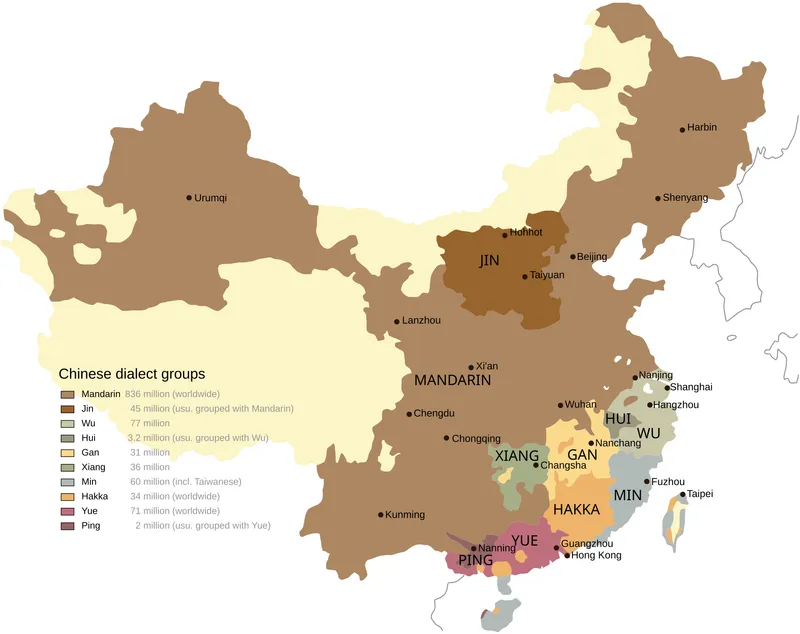
¿Dónde se habla chino? El mandarín, los grupos dialectales y un mapa
Dónde se habla chino: el mandarín y los grupos dialectales de China en un mapa, la norma nacional, Singapur, la ONU y una sola escritura.
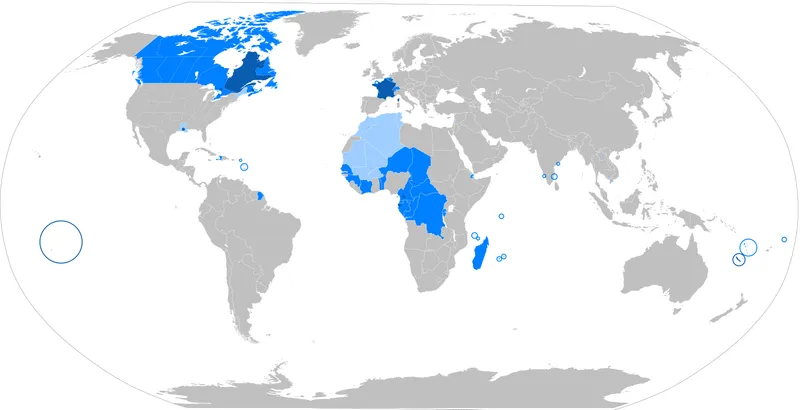
¿Dónde se habla francés? Países, hablantes y estatus oficial
Dónde se habla francés: 396 millones de hablantes, 228 millones en África, las leyes de Canadá, Suiza y Luxemburgo, con un mapa del mundo.
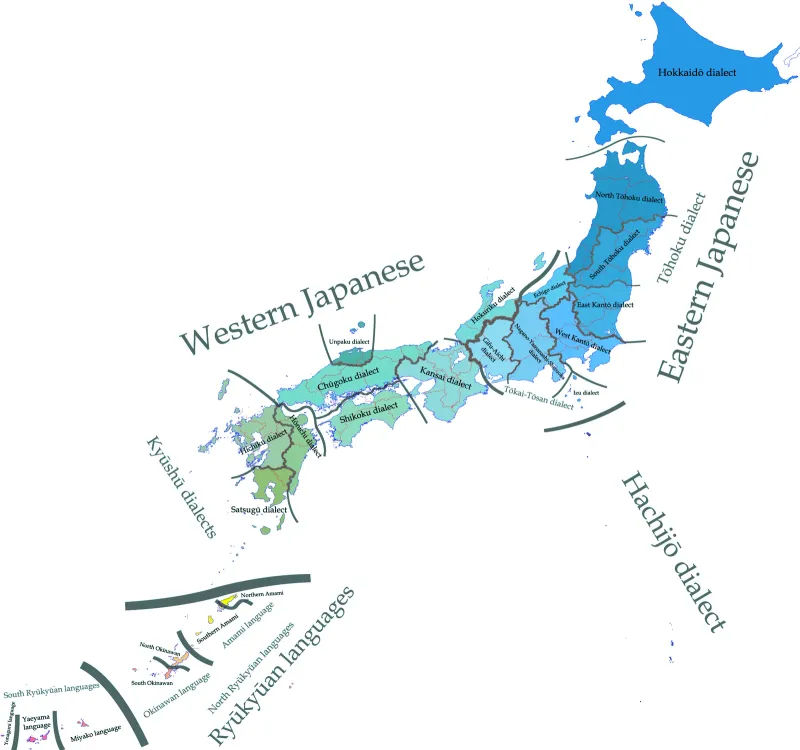
¿Dónde se habla japonés? Dialectos, lenguas ryukyuenses y un mapa
Dónde se habla japonés: sus dialectos en un mapa, la norma de Tokio, las lenguas ryukyuenses, los nikkei de Brasil y 4 millones de estudiantes.
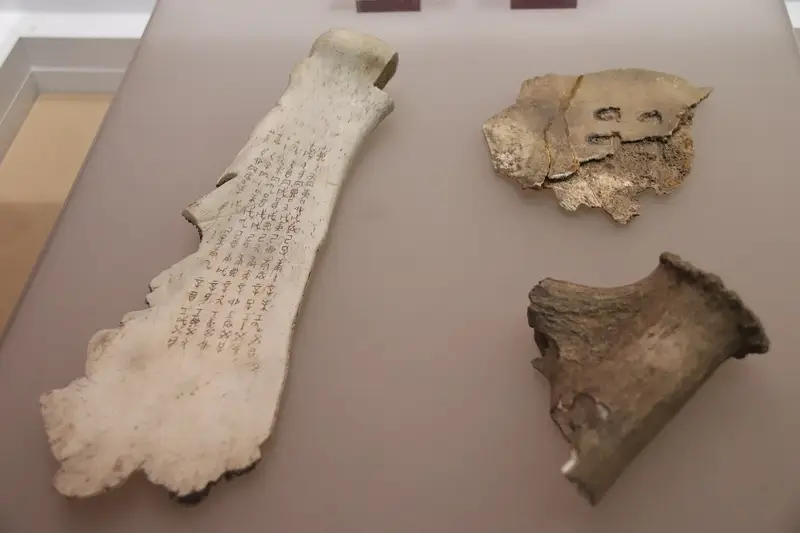
A short history of Chinese: from oracle bones to pinyin
How Chinese and its characters developed: Shang oracle bones, the Qin standard script, wenyan and baihua, Mandarin as the national standard, pinyin.
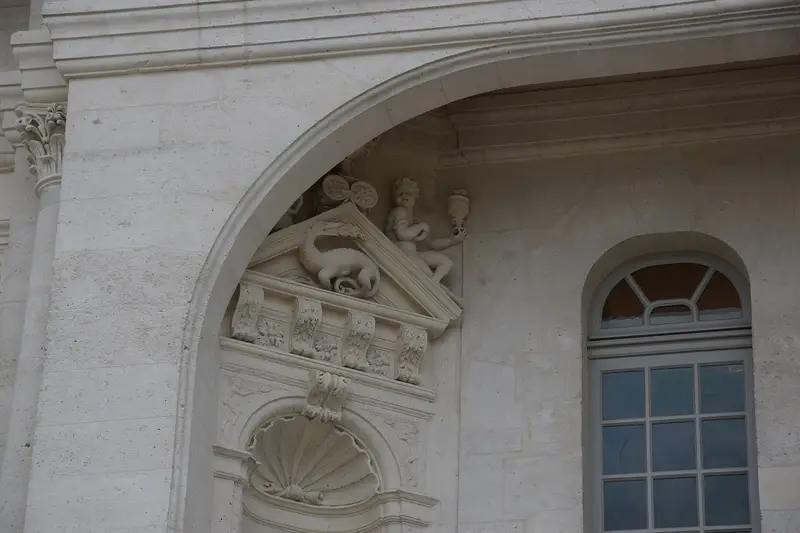
A short history of French: from Latin to the Académie française
How Latin became French: the Strasbourg Oaths (842), Paris’s Francien, the 1539 edict, the Académie française (1635) — with a map of the oïl languages.
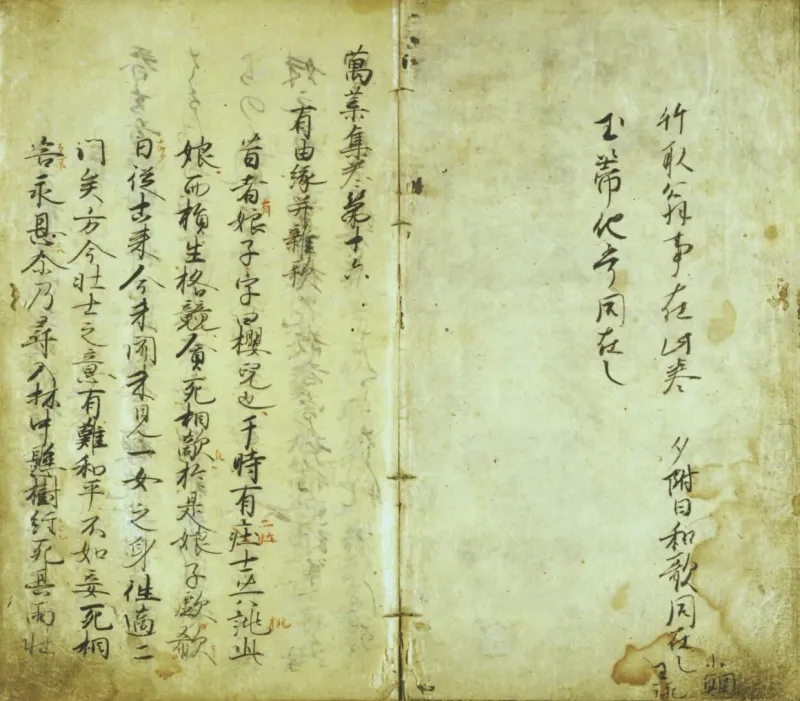
A short history of Japanese: from the Kojiki to kana and kanji
How Japanese and its writing took shape: Japonic origins, Chinese characters, the Kojiki and Man’yōshū, kana, Portuguese loans and 2,136 kanji.
Çince nerede konuşulur? Mandarin, lehçe grupları ve harita
Çince nerede konuşulur: Mandarin ve Çin’in lehçe grupları haritada, ulusal standart, Singapur, BM ve tek bir ortak yazı.
Çincenin tarihi: kehanet kemiklerinden pinyine
Çince ve karakterleri nasıl oluştu: Shang kehanet kemikleri, Qin yazısı, wenyan ve baihua, standart olarak Mandarin ve pinyin.
Fransızca konuşulan ülkeler: konuşanlar, resmî statü ve harita
Fransızca konuşulan ülkeler: 396 milyon konuşan, Afrika’da 228 milyon, Kanada, İsviçre ve Lüksemburg yasaları — dünya haritasıyla.
Fransızcanın tarihi: Latinceden Fransız Akademisi’ne
Latince nasıl Fransızca oldu: Strasbourg Yeminleri (842), Paris’in Francien’i, 1539 fermanı, Fransız Akademisi (1635) — oïl dilleri haritasıyla.
Histoire de la langue chinoise : des os oraculaires au pinyin
Comment le chinois et ses caractères se sont formés : os oraculaires des Shang, écriture des Qin, wenyan et baihua, le mandarin comme norme, le pinyin.
Histoire de la langue française : du latin à l’Académie
Du latin au français : les Serments de Strasbourg (842), le francien de Paris, l’ordonnance de 1539, l’Académie (1635) — avec une carte des langues d’oïl.
Histoire de la langue japonaise : du Kojiki aux kana et aux kanji
Comment le japonais et son écriture se sont formés : origines japoniques, caractères chinois, Kojiki et Man’yōshū, kana, emprunts portugais, 2 136 kanji.
História da língua chinesa: dos ossos oraculares ao pinyin
Como se formaram o chinês e os seus caracteres: ossos oraculares Shang, a escrita Qin, wenyan e baihua, o mandarim como norma e o pinyin.
História da língua francesa: do latim à Academia Francesa
Como o latim se tornou francês: os Juramentos de Estrasburgo (842), o franciano de Paris, o édito de 1539, a Academia (1635) — com um mapa.
História da língua japonesa: do Kojiki aos kana e aos kanji
Como se formaram o japonês e a sua escrita: origens japónicas, caracteres chineses, Kojiki e Man’yōshū, kana, empréstimos portugueses e 2136 kanji.
Historia del idioma chino: de los huesos oraculares al pinyin
Cómo se formaron el chino y sus caracteres: huesos oraculares Shang, la escritura Qin, wenyan y baihua, el mandarín como norma y el pinyin.
Historia del idioma francés: del latín a la Academia Francesa
Cómo el latín se volvió francés: los Juramentos de Estrasburgo (842), el franciano de París, el edicto de 1539, la Academia (1635), con un mapa.
Historia del idioma japonés: del Kojiki a los kana y los kanji
Cómo se formaron el japonés y su escritura: origen japónico, caracteres chinos, Kojiki y Man’yōshū, kana, préstamos portugueses y 2.136 kanji.
Japonca nerede konuşulur? Lehçeler, Ryukyu dilleri ve bir harita
Japonca nerede konuşulur: lehçeleri haritada, Tokyo standardı, Ryukyu dilleri, Brezilya’daki Japon kökenliler ve dünyada 4 milyon öğrenci.
Japoncanın tarihi: Kojiki’den kana ve kanjiye
Japonca ve yazısı nasıl oluştu: Japonik kökenler, Çin karakterleri, Kojiki ve Man’yōshū, kana, Portekizce alıntılar ve 2.136 kanji.
Onde se fala chinês? O mandarim, os grupos dialetais e um mapa
Onde se fala chinês: o mandarim e os grupos dialetais da China num mapa, a norma nacional, Singapura, a ONU e uma só escrita.
Onde se fala francês? Países, falantes e estatuto oficial
Onde se fala francês: 396 milhões de falantes, 228 milhões em África, as leis do Canadá, da Suíça e do Luxemburgo — com um mapa do mundo.
Onde se fala japonês? Dialetos, línguas ryukyuanas e um mapa
Onde se fala japonês: os seus dialetos num mapa, a norma de Tóquio, as línguas ryukyuanas, os nikkei do Brasil e 4 milhões de alunos no mundo.
Où parle-t-on chinois ? Le mandarin, les groupes dialectaux et une carte
Où parle-t-on chinois : le mandarin et les groupes dialectaux de Chine sur une carte, la norme nationale, Singapour, l’ONU et une seule écriture.
Où parle-t-on français ? Pays, locuteurs et statut officiel
Où parle-t-on français : 396 millions de locuteurs, 228 millions en Afrique, les lois du Canada, de la Suisse et du Luxembourg — avec une carte.
Où parle-t-on japonais ? Dialectes, langues ryukyu et une carte
Où parle-t-on japonais : ses dialectes sur une carte, la norme de Tokyo, les langues ryukyu, les Nikkei du Brésil et 4 millions d’apprenants.
Where is Chinese spoken? Mandarin, the dialect groups and a map
Where Chinese is spoken: Mandarin and the dialect groups of China on a map, the national standard, Singapore’s Mandarin, the UN — and one shared script.
Where is French spoken? Countries, speakers and official status
Where French is spoken: 396 million speakers, Africa’s 228 million, the laws of Canada, Switzerland, Belgium and Luxembourg — with a world map.
Where is Japanese spoken? Dialects, the Ryukyuan languages and a map
Where Japanese is spoken: its dialects on a map, the standard based on Tokyo, the Ryukyuan languages, Brazil’s 2.7 million Nikkei and 4 million learners.
أين تُتحدث الصينية؟ الماندرين ومجموعات اللهجات وخريطة
أين تُتحدث الصينية: الماندرين ومجموعات اللهجات في الصين على خريطة، والمعيار الوطني، وسنغافورة، والأمم المتحدة، وكتابة واحدة.
أين تُتحدث الفرنسية؟ الدول والمتحدثون والوضع الرسمي
أين تُتحدث الفرنسية: 396 مليون متحدث، و228 مليونًا في أفريقيا، وقوانين كندا وسويسرا ولوكسمبورغ — مع خريطة للعالم.
أين تُتحدث اليابانية؟ اللهجات ولغات ريوكيو وخريطة
أين تُتحدث اليابانية: لهجاتها على خريطة، ومعيار طوكيو، ولغات ريوكيو، والجالية اليابانية في البرازيل، و4 ملايين متعلم حول العالم.
تاريخ اللغة الصينية: من عظام العرافة إلى البينيين
كيف تكوّنت الصينية وحروفها: عظام العرافة في عهد شانغ، كتابة تشين، الوِنيان والبايهوا، الماندرين معيارًا، والبينيين.
تاريخ اللغة الفرنسية: من اللاتينية إلى الأكاديمية الفرنسية
كيف صارت اللاتينية فرنسية: قسم ستراسبورغ (842)، ولهجة باريس، ومرسوم 1539، والأكاديمية الفرنسية (1635) — مع خريطة للغات الأويل.
تاريخ اللغة اليابانية: من الكوجيكي إلى الكانا والكانجي
كيف تشكّلت اليابانية وكتابتها: الأصول اليابونية، والحروف الصينية، والكوجيكي والمانيوشو، والكانا، والكلمات البرتغالية، و2,136 كانجي.
フランス語が話される国:話者数・公用語の地位・世界地図
フランス語が話される国:話者3億9600万人、アフリカに2億2800万人、カナダ・スイス・ルクセンブルクの法律。世界地図付き。
フランス語の歴史:ラテン語からアカデミー・フランセーズまで
ラテン語はどうフランス語になったか:ストラスブールの誓約(842年)、パリの方言、1539年の勅令、アカデミー(1635年)。オイル語の地図付き。
中国語が話される地域:官話、方言グループと地図
中国語が話される地域:官話と中国の方言グループを地図で、国家標準語、シンガポールの華語、国連、そして共通の文字。
中国語の歴史:甲骨文字からピンインまで
中国語と漢字はどう形づくられたか:殷代の甲骨文字、秦の文字統一、文言と白話、官話を基礎にした標準語、そしてピンイン。
哪里说中文?官话、各大方言区和一张地图
哪里说中文:地图上的官话和各大方言区、国家通用标准、新加坡的华语、联合国,以及共同的汉字。
哪里说日语?方言、琉球诸语和一张地图
哪里说日语:方言分区地图、以东京话为基础的共通语、琉球诸语、巴西的日裔社群,以及全球 400 万学习者(中国最多)。
哪里说法语?国家、使用人数与官方地位
哪里说法语:3.96 亿使用者,非洲 2.28 亿,加拿大、瑞士和卢森堡的法律怎么规定——附世界地图。
日本語の歴史:古事記から仮名・漢字まで
日本語と文字はどう形づくられたか:日琉語族の起源、漢字の伝来、古事記と万葉集、仮名、ポルトガル語からの外来語、常用漢字2,136字。
日本語はどこで話されている?方言・琉球諸語と地図
日本語はどこで話されているか:方言区画の地図、東京の言葉にもとづく共通語、琉球諸語、ブラジルの日系社会、世界の学習者約400万人。
日语的历史:从《古事记》到假名和汉字
日语及其文字是怎样形成的:日琉语系的起源、汉字传入、《古事记》与《万叶集》、假名、葡萄牙语借词,以及 2,136 个常用汉字。
汉语的历史:从甲骨文到拼音
汉语和汉字是怎样形成的:商代甲骨文、秦代书同文、文言与白话、以官话为基础的标准语,以及汉语拼音。
法语的历史:从拉丁语到法兰西学术院
拉丁语如何变成法语:斯特拉斯堡誓言(842)、巴黎的法兰西岛方言、1539 年敕令、法兰西学术院(1635)——附奥依语地图。
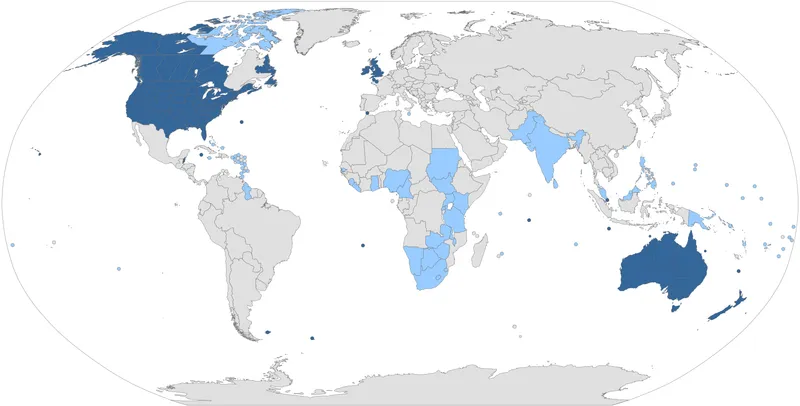
¿Dónde se habla inglés? Países, hablantes y estatus oficial
Dónde se habla inglés hoy: 1500 millones de hablantes, los países donde es oficial, su lugar en la UE, la ONU e internet, con un mapa del mundo.

A short history of English: from Old English to a world language
How English grew from the speech of Angles, Saxons and Jutes into a world language — Vikings, Normans, printing and dictionaries, with two maps.
Histoire de la langue anglaise : du vieil anglais à la langue mondiale
Comment l’anglais est né de la langue des Angles, des Saxons et des Jutes : Vikings, Normands, imprimerie et dictionnaires — avec deux cartes.
História da língua inglesa: do inglês antigo a língua mundial
Como o inglês nasceu da língua de anglos, saxões e jutos e se tornou mundial: vikings, normandos, imprensa e dicionários — com dois mapas.
Historia del idioma inglés: del inglés antiguo a lengua mundial
Cómo el inglés nació de la lengua de anglos, sajones y jutos y se volvió mundial: vikingos, normandos, imprenta y diccionarios, con dos mapas.
İngilizce konuşulan ülkeler: konuşanlar, resmî statü ve harita
İngilizce konuşulan ülkeler: 1,5 milyar konuşan, İngilizcenin resmî dil olduğu ülkeler, AB’de, BM’de ve internetteki yeri — dünya haritasıyla.
İngilizcenin tarihi: Eski İngilizceden dünya diline
İngilizce, Angıl, Sakson ve Jüt kabilelerinin dilinden nasıl dünya dili oldu: Vikingler, Normanlar, matbaa ve sözlükler — iki haritayla.
Onde se fala inglês? Países, falantes e estatuto oficial
Onde se fala inglês hoje: 1,5 mil milhões de falantes, os países onde é oficial, o seu lugar na UE, na ONU e na internet — com um mapa do mundo.
Où parle-t-on anglais ? Pays, locuteurs et statut officiel
Où parle-t-on anglais : 1,5 milliard de locuteurs, les pays où il est langue officielle, sa place dans l’UE, à l’ONU et sur le web — avec une carte.
Where is English spoken? Countries, speakers and official status
Where English is spoken today: 1.5 billion speakers, the countries where it is official, its place in the EU, the UN and online — with a world map.
أين تُتحدث الإنجليزية؟ الدول والمتحدثون والوضع الرسمي
أين تُتحدث الإنجليزية اليوم: نحو 1.5 مليار متحدث، والدول التي هي فيها لغة رسمية، ومكانتها في الاتحاد الأوروبي والأمم المتحدة والإنترنت — مع خريطة.
تاريخ اللغة الإنجليزية: من الإنجليزية القديمة إلى لغة العالم
كيف نشأت الإنجليزية من لغة قبائل الأنجل والساكسون والجوت وصارت لغة عالمية: الفايكنغ والنورمان والطباعة والقواميس — مع خريطتين.
“Mir wëlle bleiwe wat mir sinn”: where Luxembourg’s national motto comes from
Luxembourg's motto, “we want to stay what we are”, comes from De Feierwon, Michel Lentz's 1859 railway song. Its words, history and pronunciation.
« Mir wëlle bleiwe wat mir sinn » : d’où vient la devise nationale du Luxembourg
La devise du Luxembourg, « nous voulons rester ce que nous sommes », vient du Feierwon de Michel Lentz (1859). Ses mots, son histoire, sa prononciation.

Apprendre le néerlandais à Bruxelles : par où commencer et comment pratiquer
Le néerlandais à Bruxelles : Huis van het Nederlands, parcours d’accueil, test A2 pour la nationalité, et pratiquer quand on change de langue.
Dutch birthday customs: congratulate the family, bring the cake
Dutch birthday customs: congratulate the whole family, the circle of chairs, bring cake to work, sing Lang zal ze leven — and the words, with audio.
Dutch directness: what it sounds like, and how to soften it
Many find Dutch communication direct: a plain no, an honest opinion. What it sounds like — and polite Dutch phrases that soften it when you need to.
Dutch food words: stroopwafel, hagelslag, bitterballen and more
The Dutch food words you meet first — stroopwafel, hagelslag, bitterballen, stamppot, oliebollen, drop — what they are, how to order, patat or friet.
Dutch holidays and traditions: Koningsdag, 4 and 5 May, Sinterklaas
The Dutch year: Koningsdag on 27 April, Remembrance and Liberation on 4 and 5 May, Sinterklaas, Christmas, New Year — and the words that come with each.
Dutch surnames: van, de, van der — capital or not?
Van, de, van der in Dutch surnames: when they take a capital (Van Gogh, but Vincent van Gogh), how they are sorted, and how Belgium does it differently.
Dutch vs Flemish: one language, two accents
Is Flemish a different language? No — Flemish is the Dutch of Flanders, with one standard. What differs: pronunciation, everyday words, ge and gij.
Expressions flamandes : amai, allez, goesting et bien d’autres
Mots flamands du quotidien en Belgique (amai, allez, goesting, plezant, seffens, ambetant) : leur sens et l’équivalent en néerlandais standard.
Flemish expressions: amai, allez, goesting and more
Everyday Flemish words you will hear in Belgium — amai, allez, goesting, plezant, seffens, ambetant — what they mean and what standard Dutch says.
Le luxembourgeois est-il une langue ou un dialecte allemand ? Histoire, loi et différences
Le luxembourgeois, langue ou dialecte ? Racines franciques mosellanes, loi de 1984, Constitution de 2023, différences avec l'allemand.
Learning Dutch in Brussels: where to start and how to practise
Learning Dutch in bilingual Brussels: the Huis van het Nederlands, the welcome pathway, the A2 test for nationality — and practising when people switch.
Les langues de la Belgique : néerlandais, français et allemand expliqués
Les trois langues officielles, communautés et régions de Belgique : qui parle quoi et où, et l’impact sur l’école, le travail et la nationalité.
Les premiers écrivains en luxembourgeois : Meyer, Lentz, Dicks et Rodange
Comment le luxembourgeois est devenu une langue écrite : Antoine Meyer (1829), Dicks (1855), l'hymne de Lentz (1859) et le Renert de Rodange (1872).
Les traditions luxembourgeoises et leurs mots : de Liichtmëssdag à Kleeschen
Une année de traditions luxembourgeoises — Buergbrennen, Bretzelsonndeg, Éimaischen, Schueberfouer, Kleeschen — et leurs mots, avec audio natif.
Luxembourg’s traditions and their words: from Liichtmëssdag to Kleeschen
A year of Luxembourg traditions — Buergbrennen, Bretzelsonndeg, Éimaischen, the Schueberfouer, Kleeschen — and their words, with native audio.
Luxembourgeois et néerlandais : à quel point sont-ils proches ?
Luxembourgeois et néerlandais côte à côte : mots, grammaire commune (verbe en deuxième position, verbes séparables), différences et conseils.
Néerlandais et flamand : une langue, deux accents
Le flamand est-il une autre langue ? Non : c'est le néerlandais de Flandre, avec une seule norme. Ce qui change : accent, vocabulaire, ge et gij.
Ons Heemecht : l’hymne national luxembourgeois — paroles, traduction et histoire
Ons Heemecht, l'hymne national du Luxembourg : les paroles officielles, une traduction vers par vers, ses auteurs et la loi de 1993.
Ons Heemecht: Luxembourg’s national anthem — words, translation and history
Ons Heemecht, Luxembourg's national anthem: the official words, a line-by-line English translation, its authors and the 1993 law.
Quelle langue parle-t-on au Luxembourg ? Luxembourgeois, français et allemand expliqués
Les langues du Luxembourg : ce que dit la loi, ce qu'a mesuré le recensement de 2021, quelle langue on entend où — et pour un nouvel arrivant.
The first writers in Luxembourgish: Meyer, Lentz, Dicks and Rodange
How Luxembourgish became a written language: Antoine Meyer (1829), Dicks's first play (1855), Lentz's anthem (1859) and Rodange's Renert (1872).
The languages of Belgium: Dutch, French and German explained
Belgium’s three official languages, three communities and three regions — who speaks what where, what it means for school, work and nationality.
What does gezellig mean? The Dutch word with no translation
Gezellig — cosy, fun, sociable, good company: what the famous Dutch word means, how it is used, its opposite ongezellig and the words around it.
Is Luxembourgish a language or a German dialect? History, law and the differences
Is Luxembourgish a language or a dialect? The 1984 law, the 2023 Constitution, Moselle Franconian roots, how it differs from German.
Luxembourgish vs Dutch: how close are they?
Luxembourgish vs Dutch: both West Germanic and verb-second, but different words, sounds and loanwords. Side-by-side words, grammar and tips.
What language is spoken in Luxembourg? Luxembourgish, French and German explained
Luxembourg's languages: the national language, three administrative languages, what the 2021 census measured — and what it means for newcomers.
Endangered languages: why they disappear, how they come back, and what 16Word is building
About 40% of the world's 8,324 languages are at risk. How UNESCO measures it, how Hebrew, Manx and Cornish came back, and our plan for small languages.

Is Latin a dead language? Where Latin lives today — and how to learn it
Latin today: the Holy See, the Pontifical Academy for Latin, 539,000 German pupils, Latin news — and classical vs Church pronunciation.
Luxembourgish: how a small language keeps growing
National language since 1984, in the Constitution since 2023, with more speakers in 2021 than 2011 — census figures, the ZLS and LOD.
Work & careers
Public-sector jobs and the languages they require.
A Dutch CV and cover letter: headings, phrases and a model letter
The Dutch for your CV and cover letter: section headings, phrases for experience and skills, how to state your Dutch level, and a short model letter.
Dutch at work: phrases for meetings, colleagues and the workday
The Dutch you need at work: meetings, the coffee machine, asking for help, saying you don’t understand, calling in sick — the sentences of a workday.
Dutch email phrases: Beste or Geachte, Met vriendelijke groet
How to write a Dutch email: Beste or Geachte, the polite middle — asking, thanking, apologising — and Met vriendelijke groet, with u or je.
Dutch workplace words: overleg, borrel, rooster and more
The Dutch words of the workplace — overleg, borrel, rooster, ziekmelden, de cao — with the verbs and phrases they come in.
The Dutch job interview: questions, answers and phrases
The Dutch job interview (sollicitatiegesprek): questions you will hear, answers to adapt, questions to ask back, words that make you sound prepared.
Working for the Belgian government: nationality, language roles and certificates
Federal, Flemish, Brussels and Walloon public jobs: who can apply, language roles, the former Selor certificates and the bilingualism bonus.
Working for the Dutch government: nationality, the Dutch level you need and screening
Which Dutch government jobs are open to foreigners, the Dutch level employers ask for (B1 to C1), the VOG and AIVD security screening, and how to apply.
Working for the Luxembourg government: nationality, the three languages and the 2026 rules
Who can join Luxembourg's public service, the B2/B1/B1 language rule since September 2026, the language test, exemptions and recruitment.
Travel to & from Luxembourg
Trains, planes and buses to the rest of Europe, the airport, free public transport and border rules.
Airports near Luxembourg: Findel, Frankfurt, Brussels and Charleroi compared
Airports near Luxembourg: Findel (free tram and bus), Frankfurt (about 4h by train), Brussels (InterCity) and Charleroi (Flibco from P+R Bouillon).
Commuting to Luxembourg from France, Belgium or Germany: trains, buses and passes
About 230,000 people cross into Luxembourg to work daily: trains, cross-border buses, P+R, RegioZone passes (€40 a month) and the CFL go app.
Conduire au Luxembourg et pour s’y rendre : limitations de vitesse, règles, carburant et péages chez les voisins
Conduire au Luxembourg : vitesses (50/90/130, 110 sous la pluie), alcool, pneus hiver, pas de péage — et ce qui change de l'autre côté de la frontière.
Day trips from Luxembourg City by free train and bus
Day trips from Luxembourg City on free public transport: Clervaux, Vianden, Echternach, the Müllerthal, the Moselle, Schengen, Esch-sur-Alzette.
De l’aéroport de Luxembourg au centre-ville : tram, bus et taxi (transports gratuits)
De l'aéroport de Luxembourg (Findel) au centre et à la gare : tram T1 depuis 2025, bus 16 et 29 toutes les 10 à 15 minutes, taxis — sans billet.
De Luxembourg à Amsterdam et aux Pays-Bas en train : trois itinéraires comparés
Luxembourg–Amsterdam en train : via Bruxelles et l'Eurostar (5 h 40 environ) ou via Liège et Maastricht (6 h 10 environ, 52,10 €, sans réservation).
De Luxembourg à Bâle, Zurich et en Suisse en train : trois itinéraires
Luxembourg–Suisse en train : le plus rapide via Mulhouse jusqu'à Bâle (3 h 16 environ), moins cher via Trèves et Mannheim (dès 37,99 €).
De Luxembourg à Barcelone, Madrid et en Espagne : en train en une journée, ou en avion
Luxembourg–Barcelone en une journée : TGV direct jusqu'à Lyon puis AVE, et Madrid en 2 h 30 environ. Prix, horaires et lignes Luxair 2026.
De Luxembourg à Bruxelles et en Belgique : un train par heure, 21,30 €, sans réservation
Luxembourg–Bruxelles en train : InterCity toutes les heures, 3 h 15 environ, 21,30 € fixe en 2de classe. Et Liège, Arlon, Bastogne, Charleroi.
De Luxembourg à Copenhague et en Scandinavie en train (ou en avion)
Luxembourg–Copenhague en train en une journée via Cologne et Hambourg (dès 37,99 €), puis la Suède et la Norvège — et Luxair vers Helsinki en 2026.
De Luxembourg à Londres en train ou en avion : l’Eurostar via Bruxelles ou Paris
Luxembourg–Londres en train : InterCity jusqu'à Bruxelles (3 h 15) puis Eurostar (2 h), ou TGV jusqu'à Paris (2 h 10). Prix, enregistrement, contrôles.
De Luxembourg à Lyon, Marseille et dans le sud de la France en TGV direct
Deux TGV directs par jour de Luxembourg à Dijon et Lyon, puis Marseille ou Montpellier — sans changer à Paris. Horaires, prix, correspondances.
De Luxembourg à Metz, Nancy et Strasbourg : trains, bus et gares frontalières gratuites
Luxembourg–Metz, Nancy, Strasbourg : TER, quelques TGV directs, bus transfrontaliers vers la Lorraine et deux gares françaises accessibles gratuitement.
De Luxembourg à Prague, Varsovie et Cracovie en train en une journée
Luxembourg–Prague en une journée via Coblence, Francfort et Dresde (dès 37,99 €), Varsovie ou Cracovie via Cologne et Berlin (dès 49,99 €).
De Luxembourg à Trèves et sur la Moselle : 50 minutes en train, bus dès 3 €
Luxembourg–Trèves : 50 minutes en train horaire (5,90 €) ou en bus transfrontalier (RegioZone 3 €), bus 302, 303, 306 et villages de la Moselle.
De Luxembourg à Vienne, Salzbourg et en Autriche en train — en une journée ou de nuit
Luxembourg–Vienne en train : en une journée via Coblence et un ICE direct (dès décembre 2026), ou de nuit en Nightjet. Dès 37,99 €.
De Luxembourg au Portugal : avion, train en deux jours et car
Luxembourg–Portugal : vols directs vers Lisbonne, Porto et les îles, ou deux à trois jours de train via Paris et l'Espagne — et la communauté portugaise.
De Luxembourg vers l’Allemagne en train : Coblence, Cologne, Francfort, Munich et Berlin
Luxembourg–Allemagne en train : par la Moselle jusqu'à Coblence (2 h 23), puis IC et ICE — Francfort dès 3 h 55, Munich 6 h 40, Berlin 8 h 45.
De Luxembourg vers l’Italie en train : Milan et Turin en une journée, via Paris ou Zurich
Luxembourg–Italie en train en une journée : TGV jusqu'à Paris puis Frecciarossa vers Turin et Milan, ou via Cologne, Zurich et le Gothard.
Driving in and to Luxembourg: speed limits, rules, fuel and tolls next door
Driving in Luxembourg: speed limits (50/90/130, 110 in the wet), drink-drive limits, winter tyres, no tolls — and what changes across the border.
Entering Luxembourg: Schengen, passports, the EES and ETIAS (2026)
Entering Luxembourg: what EU and non-EU travellers need, the Entry/Exit System (fully running since 10 April 2026) and the status of ETIAS.
Entrer au Luxembourg : Schengen, passeport, EES et ETIAS (2026)
Entrer au Luxembourg : ce qu'il faut aux voyageurs de l'UE et hors UE, le système d'entrée/sortie (pleinement en service depuis le 10 avril 2026), ETIAS.
Excursions d’une journée depuis Luxembourg-ville en train et en bus gratuits
Excursions depuis Luxembourg-ville en transports gratuits : Clervaux, Vianden, Echternach, le Mullerthal, la Moselle, Schengen, Esch-sur-Alzette.
Free public transport in Luxembourg: how it works — and what is not free
Buses, trams and 2nd-class trains are free in Luxembourg since 1 March 2020. What's still paid — 1st class, cross-border trips — and how to buy it.
Frontaliers : venir travailler au Luxembourg depuis la France, la Belgique ou l’Allemagne
Environ 230 000 frontaliers viennent travailler au Luxembourg chaque jour : trains, bus transfrontaliers, P+R, RegioZone (40 €/mois), appli CFL go.
Les aéroports proches du Luxembourg : Findel, Francfort, Bruxelles et Charleroi comparés
Aéroports proches du Luxembourg : Findel (tram et bus gratuits), Francfort (4 h environ en train), Bruxelles (InterCity) et Charleroi (Flibco).
Les trains de nuit accessibles depuis le Luxembourg : Nightjet depuis Coblence, Paris–Nice
Trains de nuit depuis le Luxembourg : aucun ne part d'ici, mais le Nightjet (Coblence, Cologne) et l'Intercités de Nuit (Paris) sont proches.
Les transports publics gratuits au Luxembourg : comment ça marche — et ce qui reste payant
Bus, tram et trains en 2de classe gratuits au Luxembourg depuis le 1er mars 2020. Ce qui reste payant (1re classe, transfrontalier) et comment payer.
Luxembourg Airport to the city centre: tram, bus and taxi (free public transport)
Luxembourg Airport (Findel) to the city centre and station: tram T1 since 2025, buses 16 and 29 every 10–15 minutes, taxis — and no ticket needed.
Luxembourg to Amsterdam and the Netherlands by train: three routes compared
Luxembourg to Amsterdam by train: via Brussels and Eurostar (about 5h40), or via Liège and Maastricht (about 6h10, €52.10, no booking needed).
Luxembourg to Barcelona, Madrid and Spain: by train in a day, or fly
Luxembourg to Barcelona in a day: direct TGV to Lyon and an AVE to Barcelona, then Madrid in about 2h30. Fares, times and Luxair's new 2026 routes.
Luxembourg to Basel, Zurich and Switzerland by train: three routes
Luxembourg to Switzerland by train: fastest via Mulhouse to Basel (about 3h16), cheaper via Trier and Mannheim (from €37.99). How to book each.
Luxembourg to Brussels and Belgium: hourly trains, €21.30, no booking needed
Luxembourg to Brussels by train: hourly InterCity, about 3h15, a fixed €21.30 in 2nd class. Plus Liège, Arlon, Bastogne and Charleroi airport.
Luxembourg to Copenhagen and Scandinavia by train (or plane)
Luxembourg to Copenhagen by train in a day via Cologne and Hamburg (from €37.99), onward to Sweden and Norway — and Luxair’s new 2026 route to Helsinki.
Luxembourg to Germany by train: Koblenz, Cologne, Frankfurt, Munich and Berlin
Luxembourg to Germany by train: hourly along the Moselle to Koblenz (2h23) for IC and ICE — Frankfurt from about 3h55, Munich 6h40, Berlin 8h45.
Luxembourg to Italy by train: Milan and Turin in a day, via Paris or Zurich
Luxembourg to Italy by train in one day: TGV to Paris and Frecciarossa to Turin and Milan, or via Cologne, Zurich and the Gotthard. Fares and times.
Luxembourg to London by train or plane: Eurostar via Brussels or Paris
Luxembourg to London by train: InterCity to Brussels (3h15) and Eurostar (2h), or TGV to Paris (2h10) and Eurostar. Fares, check-in, border checks.
Luxembourg to Lyon, Marseille and the south of France by direct TGV
Two direct TGVs a day from Luxembourg to Dijon and Lyon, on to Marseille or Montpellier — no change in Paris. Times, fares and connections.
Luxembourg to Metz, Nancy and Strasbourg: trains, buses and free border stops
Luxembourg to Metz, Nancy and Strasbourg: TER trains, a few direct TGVs, cross-border buses to Lorraine and two French stations you reach for free.
Luxembourg to Paris by train: TGV in about 2h10, fares from €25
Luxembourg to Paris by train: direct TGVs to Gare de l'Est several times a day in about 2h10. Fares, booking, car and coach — and words for the trip.
Luxembourg to Portugal: flights, trains over two days, and coaches
Luxembourg to Portugal: direct flights to Lisbon, Porto and the islands, or two to three days by train via Paris and Spain — and the Portuguese community.
Luxembourg to Prague, Warsaw and Kraków by train in a day
Luxembourg to Prague in a day via Koblenz, Frankfurt and Dresden (from €37.99), and to Warsaw or Kraków via Cologne and Berlin (from €49.99).
Luxembourg to Trier and the Moselle: trains in 50 minutes, buses from €3
Luxembourg to Trier: 50 minutes by hourly train (€5.90) or cross-border bus (RegioZone €3) — buses 302, 303 and 306, and the Moselle wine villages.
Luxembourg to Vienna, Salzburg and Austria by train — in a day or overnight
Luxembourg to Vienna by train: in a day via Koblenz and a direct ICE (from December 2026), or overnight on the Nightjet. From €37.99.
Luxembourg–Paris en train : TGV en 2 h 10 environ, à partir de 25 €
Luxembourg–Paris en train : TGV directs vers Paris-Est plusieurs fois par jour en 2 h 10 environ. Prix, réservation, voiture et car.
Night trains within reach of Luxembourg: Nightjet from Koblenz, Paris to Nice
Night trains from Luxembourg: none start here, but the Nightjet from Koblenz or Cologne and the Intercités de Nuit from Paris are close. How to book.